Fluxon Motor
In the ever-evolving landscape of industrial automation, the demand for precise control systems is paramount. The "Motor With Encoder" has emerged as a vital component in this arena. These motors integrate advanced encoding technology, providing feedback that optimizes performance. This ensures accuracy in speed, position, and movement.
As buyers navigate the global market, selecting the right motor with encoder solutions can be daunting. Various options flood the market, each boasting unique specifications and capabilities. It is crucial for buyers to understand what set features make a difference in their specific applications.
The expertise behind motor with encoder technology is substantial. However, challenges remain in ensuring compatibility with existing systems. There is a learning curve when integrating these motors into new machinery. Buyers must diligently test and evaluate various solutions to find the most reliable fit. Hence, a deep understanding of their operational needs is essential.
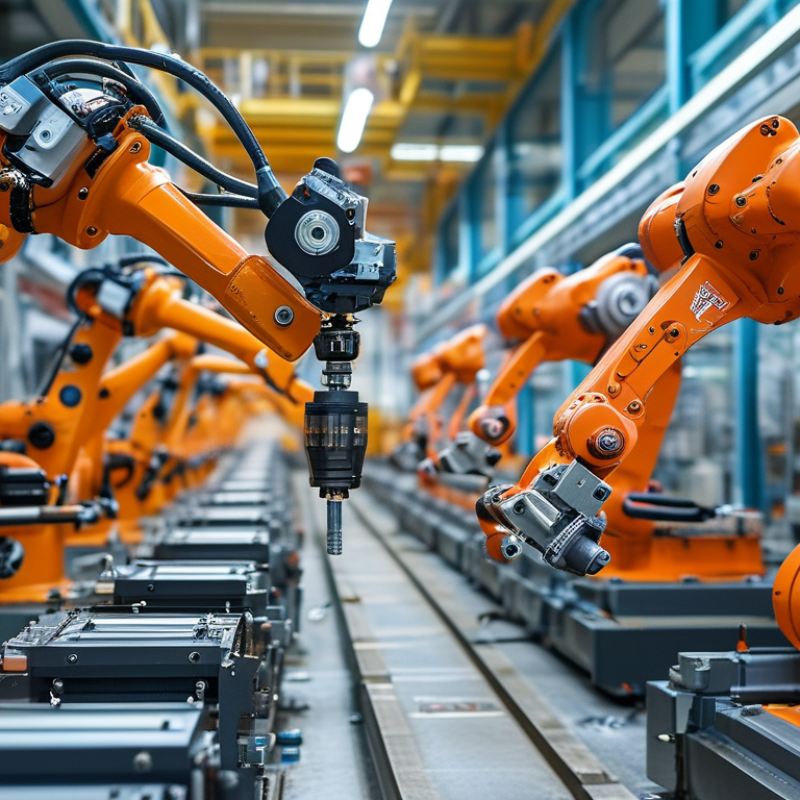
In 2026, the market for motors with encoders is projected to show significant growth. Recent studies indicate a CAGR of over 7% in this sector, driven by industrial automation. These solutions provide precise control, essential for applications in robotics and manufacturing. Advanced feedback systems are crucial for enhancing motor performance and ensuring accuracy in movement.
Key features influencing buyer decisions include resolution, response time, and durability. Motors equipped with high-resolution encoders can achieve precision levels exceeding 1 micron. This level of detail is imperative in high-stakes environments, like aerospace or medical devices. Fast response times reduce lag, enhancing operational efficiency. Data suggests that improved efficiency can lead to a 15% reduction in energy costs.
Despite these advantages, challenges remain. Integration with legacy systems can be complex. Additionally, the initial investment may deter smaller businesses. It’s vital to weigh long-term savings against upfront expenses. Ensuring compatibility with existing infrastructure is often overlooked, resulting in unexpected costs. Continuous evaluation of technology trends can provide valuable insights for future investments.
This chart presents the ratings of key features for motor with encoder solutions anticipated in 2026, indicating the most valued aspects by global buyers.
Integrated motors with encoders are transforming various industries. These solutions offer precision and efficiency. According to a recent report by MarketsandMarkets, the global market for encoder-integrated motors is expected to grow significantly, reaching USD 3.65 billion by 2026, with a CAGR of 8.5%. This growth reflects their increasing application in robotics, automotive, and manufacturing sectors.
In robotics, these motors enhance motion control, allowing for smoother operation. Their accuracy is vital for tasks like pick and place. For automotive applications, integrated motors improve assembly line efficiency and adaptive intelligent features. Research from Technavio highlights that the automotive industry will drive the demand for these motors, accounting for 30% of the market share by 2025.
Manufacturers are aware of the challenges. High costs can deter small businesses from adopting cutting-edge solutions. Moreover, the calibration of sensors and encoders remains a complex task. Mistakes can lead to reduced efficiency and increased downtime. Despite these hurdles, the industry's continuous push for automation and precision cannot be ignored. The ongoing developments indicate a promising future for encoder-integrated motors across diverse applications.
In 2026, the market for motors with encoders is evolving rapidly. Key manufacturers are focusing on innovative designs and enhanced functionalities. Many have shifted towards smart technology integration. This trend is driven by the demand for automation and precision in various industries. Customers look for efficient solutions that reduce downtime and improve productivity.
While many manufacturers boast advanced offerings, the clarity in their communication can be lacking. Some claims seem overly optimistic, leaving buyers with uncertainty. It's essential for potential buyers to evaluate the reliability of specifications provided. Encouraging transparency in performance metrics would greatly benefit all parties involved. A few manufacturers still struggle with quality control, which can impact overall system performance.
Industry experts suggest looking beyond marketing claims. A thorough assessment of product performance and real-world applications is crucial. Feedback from existing users can provide valuable insights. Furthermore, engaging with component suppliers may reveal potential synergies. Understanding the strengths and weaknesses of different motors with encoders ensures informed decision-making in this competitive landscape.
| Manufacturer | Motor Type | Encoder Type | Power Output (kW) | Torque (Nm) | Efficiency (%) | Price (USD) |
|---|---|---|---|---|---|---|
| Manufacturer A | AC Motor | Incremental | 5.0 | 15.0 | 90 | 1200 |
| Manufacturer B | DC Motor | Absolute | 10.0 | 20.0 | 92 | 1500 |
| Manufacturer C | Servo Motor | Delta | 7.5 | 25.0 | 95 | 2000 |
| Manufacturer D | Stepper Motor | Rotary | 3.0 | 10.0 | 85 | 800 |
| Manufacturer E | Brushless Motor | Sine | 12.0 | 30.0 | 97 | 2500 |
The landscape of motor and encoder technologies is evolving rapidly. As we approach 2026, trends indicate a stronger focus on energy efficiency and smart functionalities. These advancements will significantly impact various sectors, including robotics and automation.
One interesting development is the integration of IoT with motors and encoders. This enables real-time monitoring and control, leading to improved performance. Smart motors can analyze data and optimize their operation based on feedback. This could reduce energy consumption and enhance system reliability.
Tips: Always choose the right encoder for your application. Check for compatibility with motor specifications to avoid performance issues. Invest in training for your team to maximize the benefits of new technologies.
Another trend is the rise of miniaturization. Smaller motors with integrated encoders are becoming more popular. This allows for more compact designs in devices without sacrificing power. However, designers must consider heat dissipation as components shrink.
Tips: Pay attention to cooling methods. Effective heat management can prevent failures in compact systems. Testing designs in real-world scenarios can unveil hidden challenges.
When choosing motor with encoder solutions, several key factors come into play. Buyers need to assess their application requirements thoroughly. Emphasize precision, speed, and torque. Each project may demand different specifications. It’s essential to define the necessary resolution for position feedback. This helps in selecting the right encoder type.
The environment is another vital element. Some motors perform poorly in extreme conditions. Consider factors like temperature, humidity, and potential exposure to contaminants. A robust motor with proper sealing can prevent malfunctions. Buyers should research the durability ratings of various solutions available on the market.
Price is often a major consideration. However, lower costs can lead to compromises in quality and performance. Balancing budget constraints with the need for reliability is crucial. Don’t overlook the importance of supplier support. A knowledgeable partner can aid in troubleshooting and provide essential maintenance tips. Always seek out reviews and expert opinions to ensure confidence in your choice.
: The market is expected to grow with a CAGR of over 7%, driven by industrial automation.
These features are essential for applications in robotics and manufacturing, ensuring accuracy in movement.
Key factors include resolution, response time, and durability of the motors.
They achieve precision levels exceeding 1 micron, crucial for high-stakes environments like aerospace.
High costs and complex integration with legacy systems can deter small businesses from adopting these solutions.
It's important to assess existing infrastructure to avoid unexpected costs during integration.
Calibration errors with sensors and encoders can lead to reduced efficiency and increased downtime.
Potential buyers should assess performance, seek user feedback, and look beyond marketing claims for clarity.
Enhanced efficiency can result in a significant reduction in energy costs, up to 15%.
Clear communication about performance metrics fosters trust and aids buyers in making informed decisions.
The article "2026 Top Motor With Encoder Solutions for Global Buyers" explores the vital aspects of Motor With Encoder technologies, highlighting their key features and the top applications across various industries. With a focus on precision and efficiency, these motors are increasingly utilized in automation, robotics, and manufacturing, making them essential for modern industrial processes.
Additionally, the article presents a comparative analysis of leading manufacturers, evaluating their innovations and market strategies in 2026. It also addresses future trends in motor and encoder technologies, emphasizing the importance of adaptability and integration in an evolving market. Buyers are guided on critical considerations when selecting Motor With Encoder solutions, ensuring they make informed choices to enhance operational productivity and performance.
