In today's fast-paced technological landscape, the choice of motor technology can significantly impact the efficiency and effectiveness of various projects. The DC Brushless Motor has gained prominence due to its numerous advantages. According to a report by Transparency Market Research, the global market for brushless DC motors is expected to reach $26.5 billion by 2026, indicating a strong trend towards their adoption.
Dr. Emily Clarke, a leading expert in electric motor technology, states, "The transition to DC Brushless Motors represents a revolution in energy efficiency and performance." This technology reduces energy consumption significantly compared to traditional brushed motors. Applications span across industries, from robotics to electric vehicles, showcasing its versatility and reliability.
However, implementing DC Brushless Motors does come with challenges. Higher initial costs can deter some project managers. Additionally, understanding the necessary control systems for these motors requires expertise. Nonetheless, the long-term benefits often outweigh these hurdles, making them a smart choice for innovative projects. As industries continue to evolve, embracing DC Brushless Motors can be a decisive factor in achieving technological advancements.
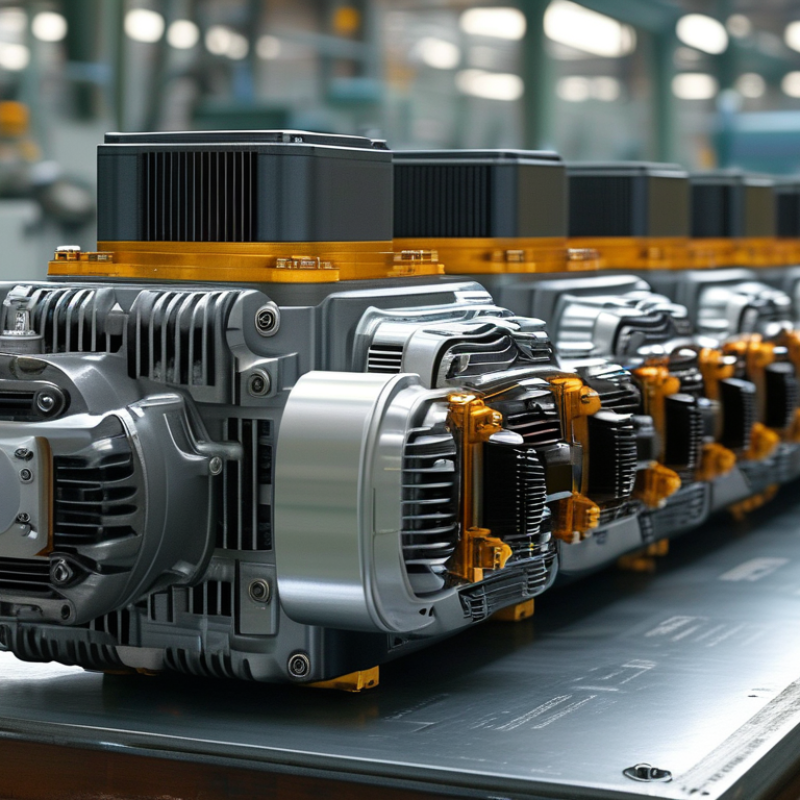
Advantages of High Efficiency in DC Brushless Motors
DC brushless motors (BLDC) provide high efficiency, making them ideal for various applications. According to a study by the Department of Energy, BLDC motors can operate at efficiencies exceeding 90%. This level of efficiency reduces energy consumption, leading to lower operational costs. It also significantly minimizes waste heat generation compared to traditional brushed motors.
The advantages of high efficiency translate into reliable performance. In robotics and automation, where energy management is crucial, BLDC motors offer consistent torque without the power losses seen in brushed variants. According to industry reports, users can save up to 60% in energy costs when switching to BLDC motors.
Tip: When selecting a motor, consider not just efficiency, but also the specific torque requirements of your project. Achieving the right balance can optimize both performance and energy use.
Another consideration is the lifespan of DC brushless motors. They can last longer due to the absence of brushes, which wear out over time. Users report that these motors can operate for 10,000 to 15,000 hours without significant maintenance.
Tip: Regularly monitor the motor's performance during its lifespan to ensure it operates at peak efficiency. Small adjustments can lead to significant gains over time.
Top 5 Benefits of Using DC Brushless Motors
Minimal Maintenance Requirements for DC Brushless Motors
DC brushless motors are gaining attention due to their minimal maintenance requirements, which can significantly enhance project efficiency. Unlike brushed motors, brushless systems eliminate the need for brush replacements, reducing wear and tear. According to a report by the International Electrotechnical Commission, brushless motors can last up to 50% longer than their brushed counterparts. This extended lifespan is a major advantage for projects that demand reliability.
In harsh operating conditions, the robustness of brushless motors becomes evident. They are less prone to overheating, thanks to their efficient thermal management. A study published by the Institute of Electrical and Electronics Engineers emphasized that brushless motors operate cooler under load. This aspect directly correlates with lower maintenance requirements. The absence of brushes also leads to less electrical noise, making them preferable for sensitive applications. However, users need to be mindful of initial setup costs.
Despite their advantages, it is essential to consider potential challenges. Brushless motors can be more complex to control, requiring sophisticated electronic speed controllers. This complexity may deter some projects. Users should balance the benefits with the technical requirements. Emphasizing the meticulous care in maintaining these systems remains crucial, as improper setup could negate their advantages. However, when configured correctly, DC brushless motors can offer unparalleled performance with minimal ongoing maintenance.
Enhanced Control and Precision in Motor Applications
DC brushless motors have revolutionized the way we approach control and precision in various applications. These motors offer enhanced performance compared to traditional brushed motors. According to a report by the International Electrotechnical Commission, DC brushless motors can achieve efficiency rates of up to 90%. This efficiency translates to reduced energy consumption and heat generation, making them ideal for applications requiring high precision.
One notable advantage is their ability to provide real-time feedback on speed and position. This capability allows for intricate control in robotics and industrial automation, where even small errors can lead to significant issues. A recent study highlighted that projects utilizing DC brushless motors had a 35% reduction in motion control errors compared to those using brushed motors. However, the initial cost and complexity of these systems can be a barrier for some projects.
Precision is further enhanced by the integration of advanced control algorithms. These algorithms refine the motor's response to input signals, leading to smoother operation. Nevertheless, achieving optimal performance often requires fine-tuning, and this process can be time-consuming. Designers should weigh the benefits against potential challenges. Investing time in understanding the system can yield significant precision benefits in the long term.
Reduced Noise and Vibration Compared to Traditional Motors
DC brushless motors are known for their significant reduction in noise and vibration compared to traditional motors. This is primarily due to their absence of brushes, which often create friction and wear, leading to noise. According to a study published by the International Journal of Advanced Manufacturing Technology, brushless motors can reduce operational noise by as much as 30% to 50%. This is a crucial advantage in applications where silent performance is essential, such as in medical devices and residential appliances.
Additionally, the vibration levels in DC brushless motors are markedly lower. A report from the Institute of Electrical and Electronics Engineers (IEEE) indicates that these motors can decrease vibration by nearly 20% when compared to brushed counterparts. Reduced vibration leads to less mechanical stress on components. This can extend the lifespan of the entire system. In sensitive equipment where precise movements are required, this feature can significantly enhance performance quality.
Implementing DC brushless motors may seem straightforward, but they require careful design considerations. While their benefits are evident, the initial costs may be higher than traditional options. Choosing the right driver circuit and power management technique is crucial. Transitioning to brushless designs is an exciting prospect but presents challenges that need to be addressed.
Extended Lifespan and Reliability of DC Brushless Motors
DC brushless motors are renowned for their extended lifespan and reliability. Unlike traditional brushed motors, they eliminate physical brushes that typically wear down over time. This design change significantly reduces friction, which enhances durability. Users often report extended operational lifetimes, sometimes exceeding tens of thousands of hours. This means less frequent replacements and lower maintenance costs.
Reliability is another standout feature. DC brushless motors are less susceptible to overheating and wear. They maintain consistent performance under various conditions, making them ideal for critical applications. For example, in robotics or aerospace, failure isn't an option. Users appreciate that these motors continue running smoothly, even in demanding environments.
However, it's important to recognize that the initial setup can be more complex. Proper appreciation of control systems is necessary to unleash the full potential of these motors. Not everyone is fully equipped for that challenge. Despite their advantages, the need for quality electronic control can be a barrier for some.
Top 5 Benefits of Using DC Brushless Motors for Your Projects
| Benefit |
Description |
Impact on Projects |
| Extended Lifespan |
Brushless motors typically last longer due to reduced wear from the absence of brushes. |
Reduces maintenance costs and downtime. |
| Higher Efficiency |
DC brushless motors are more efficient than brushed motors, converting more input energy into output power. |
Improves overall project energy consumption. |
| Lower Noise Levels |
These motors operate more quietly due to the lack of mechanical brush noise. |
Ideal for applications requiring low noise pollution. |
| Improved Torque |
Brushless motors can deliver higher torque at varying speeds compared to brushed motors. |
Enhances performance in applications demanding high torque output. |
| Smart Control Capabilities |
DC brushless motors support advanced control systems for precise speed and position control. |
Enables automation and sophisticated control in projects. |
Conclusion
DC brushless motors offer numerous advantages that make them an ideal choice for various projects. One of the primary benefits is their high efficiency, which leads to reduced energy consumption and lower operational costs. Additionally, these motors require minimal maintenance due to their construction, which eliminates the need for brushes that wear out over time. This reliability is further enhanced by their extended lifespan, making them a cost-effective solution in the long run.
Moreover, DC brushless motors provide enhanced control and precision in applications, allowing for smoother performance and better responsiveness. They also operate with significantly reduced noise and vibration compared to traditional motors, creating a more pleasant working environment. Together, these benefits underscore why DC brushless motors are increasingly favored in many engineering and technological projects.
 Fluxon Motor
