 Fluxon Motor
Fluxon Motor
Fluxon Motor
In recent years, the demand for Coreless DC Motors has surged. These motors are favored due to their compact design and high efficiency. They offer superior performance in various applications, including robotics, drones, and medical devices.
As we look ahead to 2026, global buyers face a vast selection. Understanding the key features is crucial. Coreless DC Motors provide robust solutions with their reliable torque and speed variations. However, not all products are created equal. Quality varies significantly among manufacturers. This inconsistency can lead to frustrating experiences for consumers.
Evaluating coreless DC motors requires expertise and attention to detail. Buyers should consider key specifications like size, weight, and power output. Additionally, the reputation of manufacturers plays a vital role. Some brands stand out for their engineering excellence. Others may disappoint, reflecting why research is indispensable. Therefore, navigating this landscape can be challenging but rewarding for informed buyers.
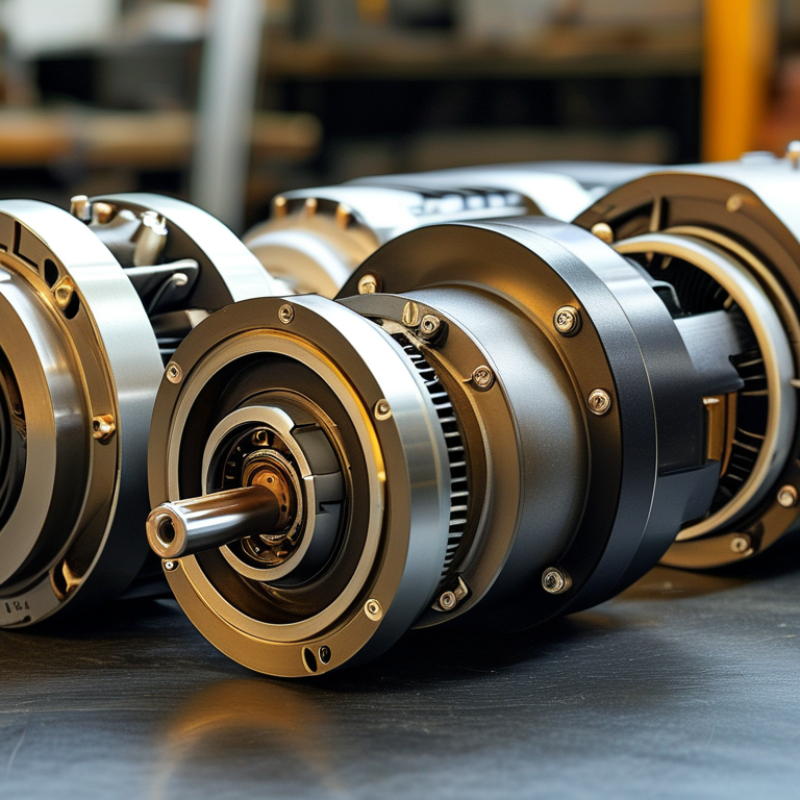
Coreless DC motors offer a unique solution for a variety of applications, making them increasingly popular among engineers and manufacturers. Unlike traditional motors, coreless designs eliminate the iron core, reducing weight and increasing efficiency. This characteristic leads to quicker response times and smoother operation, essential for devices requiring precision control. Common applications can be found in robotics, medical equipment, and drones, where space and weight constraints are critical.
In robotics, for instance, coreless DC motors enable agile movements. They allow for enhanced maneuverability in robotic arms, ensuring tasks are performed with accuracy. In medical devices, their reliability and compact size make them ideal for instruments needing fine adjustments. However, users must consider potential drawbacks, such as limited torque compared to their cored counterparts. Not all applications will benefit equally from this motor type, highlighting the need for careful evaluation.
Overall, coreless DC motors present exciting possibilities. Their lightweight and efficiency make them a top choice for diverse applications. Balancing performance with specific needs remains crucial. Understanding where these motors excel—and where they might not—is essential for making informed decisions in 2026 and beyond.
: The power-to-weight ratio is critical. A lightweight motor improves efficiency.
Good airflow is necessary. Coreless motors run cooler but still need thermal management to last longer.
Mounting dimensions and electrical specifications must align with your design. Not all motors fit all applications.
Yes, prototyping allows for practical assessment. It helps to identify potential performance issues.
Demand will grow. Manufacturers will need to innovate to meet diverse industry needs.
Key manufacturers focus on performance and durability enhancements. Technology advancements are essential for market competitiveness.
Companies struggle with production costs and scalability. Regulatory complexities also pose challenges.
Firms must prioritize research and development. Innovation can help them stay ahead of market trends.
Yes, trade-offs in design and performance should be carefully considered. Trials may reveal unexpected issues.
Commitment to quality and excellence is crucial. It can drive progress in uncertain times.
The article "Best Coreless DC Motors for Global Buyers in 2026" provides a comprehensive overview of coreless DC motors, highlighting their diverse applications across various industries. It emphasizes the importance of considering key factors such as size, efficiency, and torque when selecting the right coreless DC motor for specific needs.
Looking ahead to 2026, the article identifies innovative technologies that are shaping the future of coreless DC motors, including advancements in materials and design that enhance performance and reliability. Furthermore, it discusses emerging market trends and forecasts, predicting a growing demand for these motors driven by their efficiency and compactness. Overall, the article serves as a valuable guide for buyers seeking to navigate the evolving landscape of coreless DC motors.
