Fluxon Motor
In the realm of modern engineering, the Brushless Gear Motor stands out for its efficiency and precision. Experts believe that these motors are transforming the industry. Dr. Emily Chen, a renowned authority in motor design, once said, “Brushless Gear Motors revolutionize how we approach automation.” Her insight captures the essence of this technology.
Brushless Gear Motors combine the benefits of brushless motors and gearing systems. This creates a powerful solution for various applications, from robotics to electric vehicles. They have fewer moving parts, leading to reduced wear and tear. Without brushes, there’s less friction to manage, improving efficiency and lifespan.
Despite their advantages, some challenges remain. The initial cost can be higher than traditional motors. Also, specific applications may require precise tuning to optimize performance. Understanding these factors is crucial when considering implementation. The landscape of Brushless Gear Motors is complex yet promising.
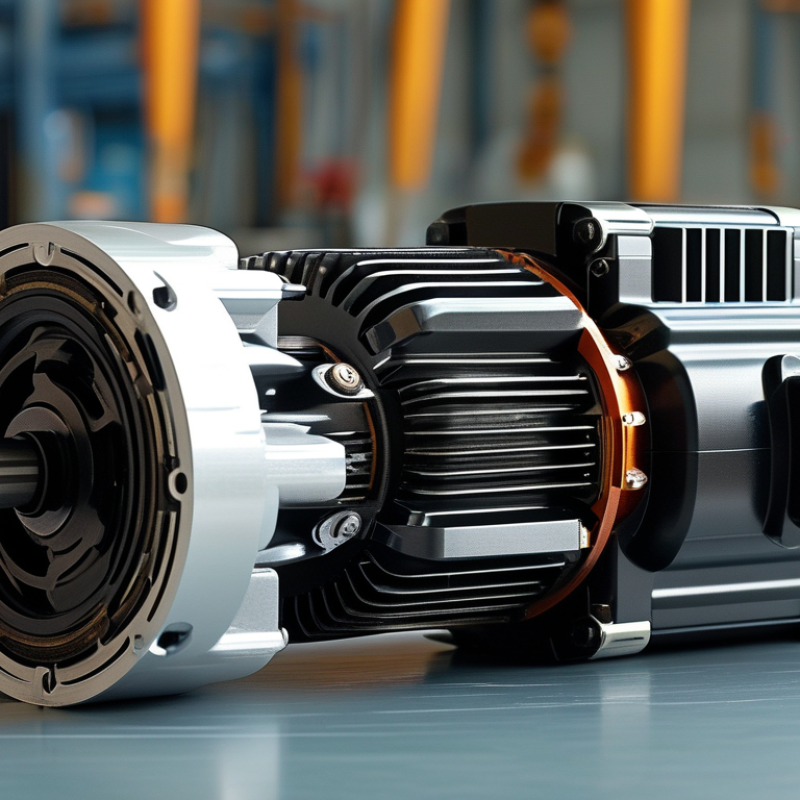
A brushless gear motor is a compact and efficient electromechanical device. This motor combines the advantages of a brushless motor with a gear mechanism. It offers high efficiency, longevity, and low maintenance compared to traditional motors. According to market analysis, the global brushless motor market is projected to reach $20 billion by 2026, reflecting a significant growth rate fueled by increasing demand in automation and robotics.
Key features of brushless gear motors include high torque density and precise speed control. The absence of brushes minimizes wear and tear, increasing lifespan. Operating temperatures can reach 100°C, making them suitable for demanding environments. These motors are also highly responsive, with a response time often under 100 ms. However, the initial cost can be higher than brushed motors, which may deter some manufacturers.
While the efficiency is commendable, not every application may benefit from a brushless gear motor. In low-torque scenarios, using these motors might be over-engineering. Additionally, the complexity in design could lead to challenges in troubleshooting. Development teams must weigh the need for durability against the application-specific requirements.
Brushless gear motors are increasingly popular in various industries due to their efficiency and reliability. The core operation of a brushless motor relies on electronic commutation instead of mechanical brushes. This design allows for smoother operation and higher efficiency, which is crucial for applications like robotics and automation. Research indicates that brushless motors can achieve up to 90% efficiency, compared to 75% for brushed motors. This difference can lead to significant energy savings over time.
Understanding how brushless motors function is essential. These motors utilize permanent magnets and a stator with windings to create a rotating magnetic field. The controller manages the current to the windings, leading to rotation. This system reduces wear and tear, extending the motor's lifespan. However, it's important to be aware of potential overheating issues. Regular temperature monitoring is advisable to prevent motor failure.
Tips: When selecting a brushless gear motor, consider the intended application and required torque. Additionally, ensure compatibility between the motor and control system. Users should regularly inspect their setup to identify potential inefficiencies or malfunctions. This proactive approach can protect your investment and maintain optimal performance.
Brushless gear motors have gained popularity for their efficiency and reliability. They differ significantly from traditional motors. One key advantage is their higher efficiency. These motors convert electrical energy directly into mechanical energy. Traditional motors often waste energy through friction and heat. In contrast, brushless motors reduce these losses. They operate with fewer mechanical components, leading to improved performance.
Another notable benefit is their longevity. Brushless gear motors typically last longer due to their reduced wear and tear. Without brushes to replace, these motors minimize maintenance needs. This can result in significant cost savings over time. Users often appreciate minimal downtime. However, the initial investment can be higher. This can deter some users from making the switch. Cost is a valid concern, but the long-term advantages often outweigh it for many applications.
Furthermore, brushless gear motors offer precise control. This makes them ideal for applications requiring accuracy. They can respond swiftly to changes in load or speed. Some users may find programming these motors challenging. Proper understanding and setup are essential for optimal performance. While there’s a learning curve, the benefits can be substantial. It’s worth considering both pros and cons when choosing a motor type.
Brushless gear motors are essential in various industries due to their efficiency and reliability. In the robotics sector, these motors help improve precision. They offer better torque control, which is critical for tasks like assembly and movement in automated systems. A report from the International Federation of Robotics (IFR) indicates that the use of brushless gear motors in robotics has increased by 9% annually.
In the automotive industry, these motors play a vital role in electric vehicles (EVs). They support components like power steering and automatic gear shifting. According to a study by MarketsandMarkets, the brushless motor market in electric vehicles is expected to reach $33.94 billion by 2025. This is indicative of the high demand for efficient and compact motors in modern automotive engineering.
However, there are challenges. The initial cost of brushless gear motors can be high compared to traditional motors. Not every application needs such advanced technology. Some industries still opt for cost-effective alternatives. Balancing performance and budget remains an ongoing issue for manufacturers. As industries evolve, the demand for both efficiency and affordability will shape the future of brushless gear motors.
The brushless gear motor is gaining popularity in various industries due to its efficiency and reliability. One major trend is the miniaturization of these motors. Smaller, more powerful motors can now fit into compact applications, driving innovation in robotics and automation. These advanced motors often incorporate smart technologies, enabling precise control and diagnostics.
The integration of IoT features is another key trend. Brushless gear motors can now connect to the internet, allowing for real-time monitoring. This connectivity helps engineers analyze motor performance and predict failures before they occur. As industries become more data-driven, this innovation enhances maintenance strategies.
Tips for choosing the right motor include assessing your application's torque and speed requirements. Look for motors with high efficiency ratings to save energy. Additionally, consider the environment where the motor will be used; external factors like temperature and humidity can affect performance. Regularly reviewing motor specifications can also lead to informed decision-making.
Investing in technology without understanding its limitations can lead to unexpected challenges. Staying updated on market trends can help avoid these pitfalls. Flexibility in design and application will be essential as demands evolve.
: Brushless gear motors rely on electronic commutation for smooth operation. They are efficient and reliable.
They can reach up to 90% efficiency. This is much higher than traditional brushed motors.
Brushless motors use permanent magnets and a stator. They create a rotating magnetic field for operation.
Regularly checking the temperature can help prevent overheating. This may extend the motor's lifespan.
Consider the application, required torque, and compatibility with the control system.
They enhance precision and torque control for tasks like assembly. This improves overall efficiency in automation.
Brushless motors support critical components such as power steering and gear shifting in EVs.
Not always. The initial cost can be high, and some applications might not need advanced technology.
Balancing performance and budget is an ongoing issue. Some industries still prefer less expensive alternatives.
There's a growing demand for efficient motors, especially in electric vehicles and robotics sectors.
A Brushless Gear Motor is a type of electric motor that offers enhanced efficiency and reliability by eliminating brushes that traditionally cause wear and friction. This advanced motor features a rotor that spins without direct electrical contact, providing smoother operation and longer lifespan. The principles of operation are based on electromagnetic induction, where the motor's control system precisely manages the power supply to the motor coils, resulting in optimal performance.
One of the significant advantages of Brushless Gear Motors over traditional motors is their superior energy efficiency, reduced maintenance needs, and quieter operation. These motors find applications across various industries, including robotics, automotive, and manufacturing, where precision and durability are essential. Furthermore, the market trend is moving towards innovations in brushless gear motor technology, such as advancements in control algorithms and miniaturization, signaling a promising future for this efficient motor solution.
