Fluxon Motor Fluxon Motor

How to Choose the Best Long Life Gear Motor in China?

Time:2026-09-28 Author:Madeline
0%

Choosing the right Long Life Gear Motor in China starts with the job it must perform, not the highest power rating on a product sheet. A conveyor moving cartons, for example, needs different torque and speed characteristics from a small mixer that starts and stops throughout the day. Define the required output speed, load, operating hours, start frequency, and installation space before comparing suppliers. These details make quotations easier to assess and reduce the risk of choosing a motor that runs hot or wears prematurely.

Look beyond headline specifications. Check rated torque, gear ratio, duty cycle, efficiency, protection rating, insulation class, and allowable operating temperature. Ask how the manufacturer tests endurance and whether test conditions resemble your real application. For geared units, confirm mounting position, shaft dimensions, lubrication requirements, and any specified backlash limits. Request datasheets, dimensional drawings, and clear warranty terms. A reliable supplier should explain what its ratings mean, rather than offering vague promises of long service life.

Small details matter. A motor exposed to dust, frequent washdowns, heavy starts, or poor alignment may need a different configuration. Compare samples or documented test results when practical, and clarify inspection procedures before placing a large order. Price still matters, but it is only one part of ownership cost; replacement access, delivery consistency, and technical support also deserve attention. No selection checklist can predict every failure. That is worth remembering. This guide outlines the questions buyers can use to compare Chinese manufacturers carefully and select a Long Life Gear Motor suited to their actual working conditions.
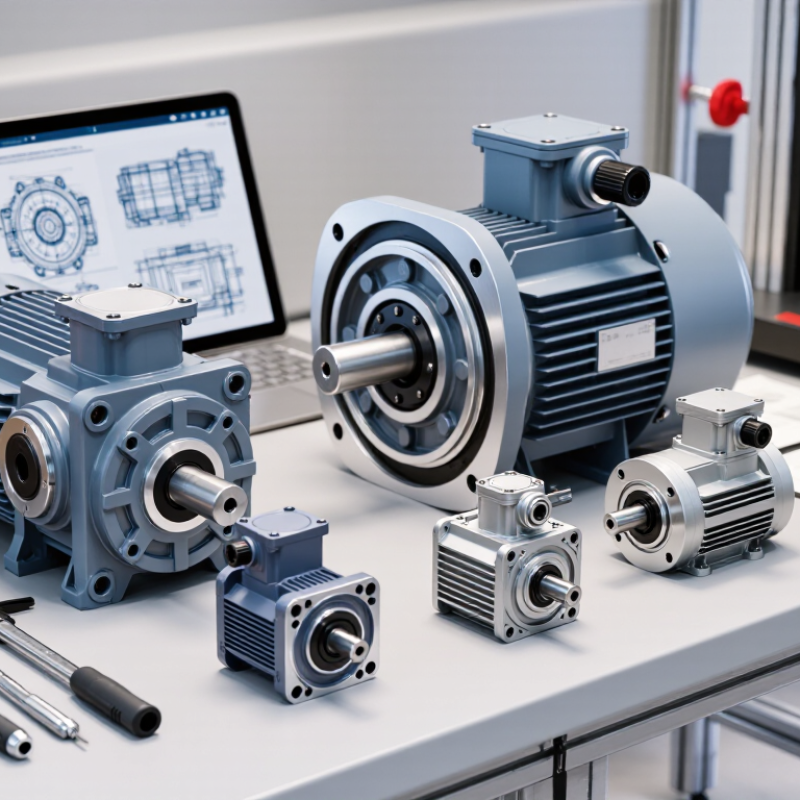
How to Choose the Best Long Life Gear Motor in China?

Define the Application Requirements and Operating Conditions

A long-life gear motor starts with a clear duty profile, not a catalogue rating. Record the required output speed and torque, including peak loads during startup or jams. Note operating hours, starts per hour, and whether the load runs continuously or cycles. A conveyor carrying uneven cartons, for example, may need more starting torque than its average load suggests. Small detail, big difference.

Measure the real installation conditions: ambient temperature, dust, moisture, washdown exposure, mounting position, available space, and shaft loads. In a hot workshop, poor airflow can raise winding and gearbox temperatures. Heat changes everything. Specify the gear ratio and service factor against the actual load, but avoid oversizing without checking efficiency and starting behavior. IEA’s 2011 report, Energy-Efficiency Policy Opportunities for Electric Motor-Driven Systems, estimated that motor-driven systems use roughly 45% of global electricity. That makes operating hours and load patterns relevant to lifetime energy costs, not just purchase price.

Ask suppliers to confirm ratings for the stated duty, rather than relying on a generic “long-life” claim. Share a simple load chart, ambient-temperature range, and expected daily runtime. If conditions are uncertain, say so; estimates can be wrong. A short trial under representative load may reveal vibration, excess noise, or temperature rise before the motor is installed across a full production line.

Compare Gearmotor Types, Ratios, Torque, and Speed

Choosing a long-life gear motor in China starts with the load, not the catalog headline. Spur gearmotors are simple and economical, while helical designs often run more quietly under steady loads. Worm gearmotors fit compact, right-angle layouts, but can lose more energy as heat. Planetary types offer high torque in a small package. Each has trade-offs.

The reduction ratio links motor speed to output speed: a 20:1 ratio turns a 1,400 rpm motor into roughly 70 rpm before losses. Higher ratios can increase output torque, but the result depends on gearbox efficiency and motor capacity. Check starting torque, not just running torque. A conveyor carrying heavy cartons may need extra torque when loaded from rest. Keep some margin. Too much can also mean a larger, hotter motor.

Match the rated speed to the real duty cycle, including starts, stops, and daily operating hours. Ask suppliers for torque-speed curves, efficiency figures, permitted radial loads, and temperature limits. A sample run under your actual load can reveal noise, heat, or vibration that a datasheet misses. I would also verify lubrication and sealing details. Small gaps in the specification matter. Even experienced buyers sometimes focus too much on ratio and overlook heat buildup; that is worth checking twice.

Assess Materials, Design, and Service-Life Features

A long-life gear motor is not defined by rated torque alone. When evaluating suppliers in China, ask for material grades and inspection records, not just general claims. A cast-iron housing can resist vibration well, while aluminum may reduce weight and help dissipate heat. The right choice depends on load, mounting, and operating temperature. For gears, check the specified alloy, heat treatment, and hardness consistency. Small details matter. Ask about bearing type, shaft finish, seals, and alignment tolerances, since these affect wear and noise.

Service life also depends on design and operating conditions. Request test data for temperature rise, vibration, and endurance under a load close to yours. Confirm the motor’s duty cycle and whether its protection rating suits dust or moisture at the installation site. Sealed bearings and accessible lubrication points can simplify maintenance, but neither replaces correct installation. One detail is easy to overlook: frequent starts may create more stress than steady operation. Compare warranty terms and spare-part availability, and ask how failures are recorded and investigated. A tidy specification sheet helps, but it cannot prove consistent production by itself. Check sample reports, and leave room for uncertainty when test conditions differ from your own.

Verify Chinese Manufacturers, Quality Systems, and Certifications

When evaluating a Chinese long-life gear motor supplier, check the factory behind the certificate. Ask for the certificate number, issuing body, validity dates, and exact production-site address. Confirm these details in the issuer’s database. An ISO 9001 certificate matters only when its scope covers the relevant manufacturing activities. The ISO Survey 2022 recorded 1,265,216 valid ISO 9001 certificates worldwide. Certification is common, not proof that every motor leaving a factory meets your specification.

Look beyond paperwork. Request recent test records for the motor model you plan to buy: load, temperature rise, noise, insulation, and gear backlash. Compare the nameplate and test report with the purchase specification. Ask how the factory tracks failed units and corrective actions. A practical audit should follow one motor from incoming gear inspection to final test. Small details matter. A missing serial-number trail is a warning.

The IEA’s Energy Efficiency 2023 report estimates that electric motor systems use about 53% of global electricity. That makes efficiency and dependable operation worth checking, not just purchase price. Review relevant IEC 60034 test methods and confirm any claimed certification applies to the offered model. One limitation: a polished audit cannot guarantee years of field life. I would still request operating references and agree on measurable acceptance tests before shipment.

Compare Total Cost, Warranty, and After-Sales Support

A low purchase price can hide costs that appear after installation. Compare the motor, freight, mounting changes, wiring, and expected maintenance over its service life. Ask for the rated duty cycle, allowable load, and lubrication intervals in writing. A unit running near its limit may need more frequent service. Small details matter.

Warranty terms deserve a close read. Check how many years are covered, when coverage begins, and whether labor, replacement parts, and return shipping are included. Ask what evidence is needed for a claim, such as operating records or photographs of the nameplate. A long warranty is less useful if the process is vague. Get the exclusions clearly stated.

After-sales support can affect downtime as much as the motor itself. Ask how quickly technical staff respond, whether they can help check shaft alignment, and how replacement parts are supplied. Compare these answers with the price and warranty, not in isolation. A spreadsheet cannot predict every stoppage, and I would still double-check the service plan before ordering. Repair access and clear guidance can make a slightly higher initial cost worthwhile.

FAQS

How should I choose a gearmotor type?

Start with the real load and layout. Spur types are simple and economical. Helical types often run more quietly under steady loads. Worm types suit compact, right-angle layouts but may lose more energy as heat. Planetary types provide high torque in a small package. No type wins every job.

How does the reduction ratio affect output speed and torque?

A 20:1 ratio turns a 1,400 rpm motor into roughly 70 rpm before losses. Higher ratios can increase output torque, but efficiency and motor capacity matter. Check starting torque, too. A loaded conveyor may need extra force to start. Leave some margin.

What operating details should I match to the motor?

Match rated speed to the actual duty cycle, including starts, stops, and daily operating hours. Frequent starts can create more stress than steady running. It’s easy to miss that. Avoid choosing by running speed alone.

Which specifications should I request from a supplier?

Ask for torque-speed curves, efficiency figures, permitted radial loads, and temperature limits. Request duty-cycle and protection-rating details for the installation site. Small gaps matter. A sample run can reveal noise, heat, or vibration that a datasheet misses.

Which materials and components affect service life?

Compare housing material, gear alloy, heat treatment, and hardness consistency. Cast iron can resist vibration; aluminum can reduce weight and help dissipate heat. Check bearing type, shaft finish, seals, and alignment tolerances. Small details matter.

How can I assess whether a motor will last?

Request temperature-rise, vibration, and endurance data under a load close to yours. Check sample reports and test conditions. Sealed bearings and accessible lubrication points can help maintenance, but correct installation still matters. The reports aren’t proof of every production run.

What costs should I compare beyond the purchase price?

Include freight, mounting changes, wiring, and expected maintenance. Ask for allowable loads and lubrication intervals in writing. A motor near its limit may need more frequent service. The cheapest quote may not stay cheapest.

What should I check in the warranty and after-sales support?

Confirm coverage length, start date, labor, parts, shipping, exclusions, and claim evidence. Ask how quickly technical staff respond and how replacement parts are supplied. Clear guidance can reduce downtime. I’d still double-check the service plan.

Conclusion

Choosing the right Long Life Gear Motor in China starts with a clear understanding of the application. Consider the load, duty cycle, operating environment, available space, and required speed and torque. Then compare motor and gearbox types, reduction ratios, and performance ratings to find a configuration that meets these needs without being unnecessarily oversized.

Durability depends on more than specifications: assess materials, lubrication, heat management, sealing, and other design features that support a longer service life. Review each manufacturer’s production capabilities, quality-control processes, and relevant certifications, and request clear technical documentation. Finally, compare the total cost of ownership, including installation and maintenance, alongside warranty terms, spare-parts availability, and after-sales support. A balanced evaluation helps you select a reliable motor that fits both operational demands and budget.

Madeline

Madeline

Madeline is a dedicated marketing professional with a wealth of expertise in our company's core offerings. With a keen understanding of the industry, she brings a unique perspective to her role, consistently delivering high-quality content that highlights the superior aspects of our products. As......