 Fluxon Motor
Fluxon Motor
Fluxon Motor
When choosing a "Ready To Ship Gear Motor," understanding your specific needs is essential. Industry expert John Smith emphasizes, "Selecting the right gear motor can directly affect the efficiency of your project." Gear motors are crucial for various applications, from conveyor systems to robotics. Their reliability and performance can make or break your operations.
With numerous options available, evaluating each motor's specifications is vital. Consider factors such as torque, speed, and mounting options. These details impact your system's overall effectiveness. Remember, what works for one application may not suit another. Take the time to analyze your requirements carefully; it's a step that could save you from costly mistakes.
Reflecting on your choice is equally important. Are you prioritizing speed over torque, or vice versa? Each decision will impact how your machinery performs. A "Ready To Ship Gear Motor" can be a great solution if the specifications align with your project's demands. Be mindful, though, as not every motor fits every need perfectly. Engaging with experts and asking the right questions can lead to a more informed decision.
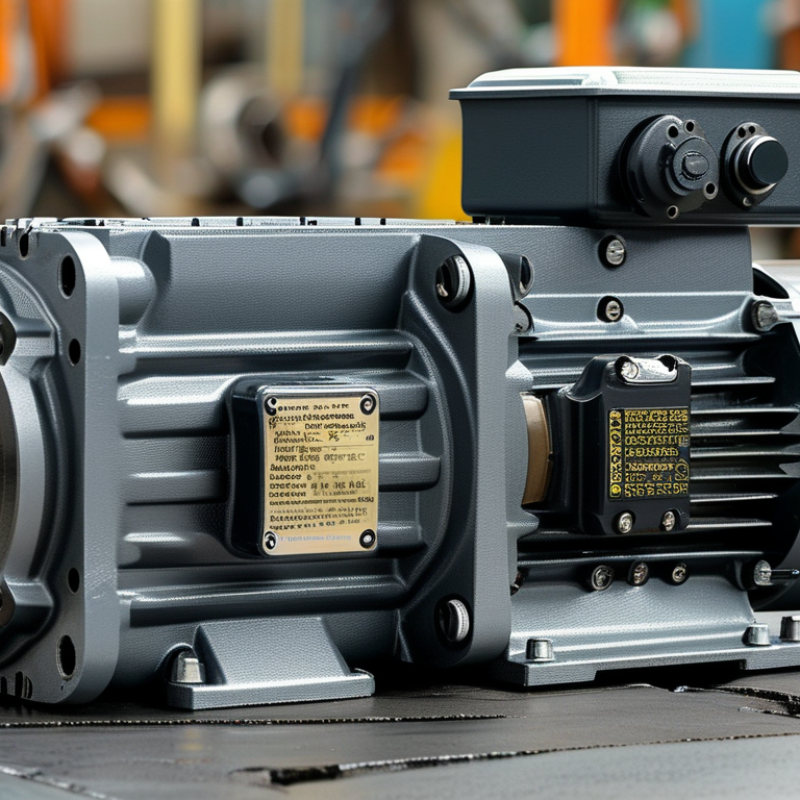
Choosing the right ready-to-ship gear motor involves several critical factors. Start with the torque requirements. You must determine the load your application demands. Inadequate torque can lead to underperformance. Too much torque, on the other hand, may cause unnecessary wear and energy loss. Selecting the right torque ensures efficiency and longevity.
Next is the motor speed. Different applications require varying speeds. Evaluate what’s ideal for your project. Also, consider the gearbox ratio. This ratio helps in optimizing speed and torque output. Higher ratios typically provide greater torque but reduce speed. Finding a balance is essential for optimal performance.
Finally, pay attention to the physical dimensions. A gear motor that’s too large may not fit your setup. Conversely, a compact motor may not deliver the necessary power. It's vital to measure your available space accurately. Reflecting on these details ensures that your choice aligns with your specific needs and constraints.
: Start by determining the torque requirements for your application.
Inadequate torque can cause underperformance. Excess torque may lead to wear and energy loss.
Different applications require varying speeds. Assess what speed is ideal for your project.
Gearbox ratio optimizes speed and torque output. A higher ratio offers greater torque but reduces speed.
A motor too large might not fit your setup. A compact motor may lack the required power.
Power ratings indicate the work capacity of the motor. Overestimating power can lead to inefficient performance.
Proper torque ensures the motor can handle the load. Underestimating needs may lead to failure.
Choose a speed that matches your system’s demands. Too high or too low can negatively impact performance.
Load calculations help ensure the motor meets specific requirements. It's essential to avoid inefficient choices.
Temperature and humidity can affect motor operation. Test under real conditions to gauge performance accurately.
When selecting a Ready To Ship Gear Motor, there are several critical factors to consider to ensure it meets your specific needs. Firstly, understanding the various types of gear motors and their applications is essential, as it helps in identifying the most suitable option for your project. Evaluating the power, torque, and speed ratings will provide insights into the motor's performance capabilities. Additionally, efficiency and heat dissipation are crucial for maintaining optimal functionality and longevity.
Cost-effectiveness also plays a vital role in the decision-making process. Balancing price and quality ensures that you invest in a gear motor that not only fits your budget but also delivers the reliability and performance required for your application. By considering these aspects, you can make an informed choice when selecting the best Ready To Ship Gear Motor for your operational requirements.
