A High Torque Gear Motor is an essential device in various mechanical systems. It combines high torque output with the versatility of gear reduction. This unique combination allows it to perform effectively in demanding applications. From industrial machinery to robotics, these motors are foundational to robust solutions.
High Torque Gear Motors are commonly used in construction, automotive, and conveyor systems. Their ability to handle heavy loads makes them ideal for tasks requiring significant force. However, the selection process can be complex. Users must consider factors like gear ratio and power requirements. A wrong choice can lead to inefficiencies.
Real-world applications depend heavily on reliability. Users should pay attention to motor specifications, including size and efficiency ratings. A lack of understanding can lead to performance issues. Reflecting on one’s specific needs is crucial to maximize effectiveness. By choosing the right High Torque Gear Motor, businesses can enhance operational performance and achieve greater productivity.
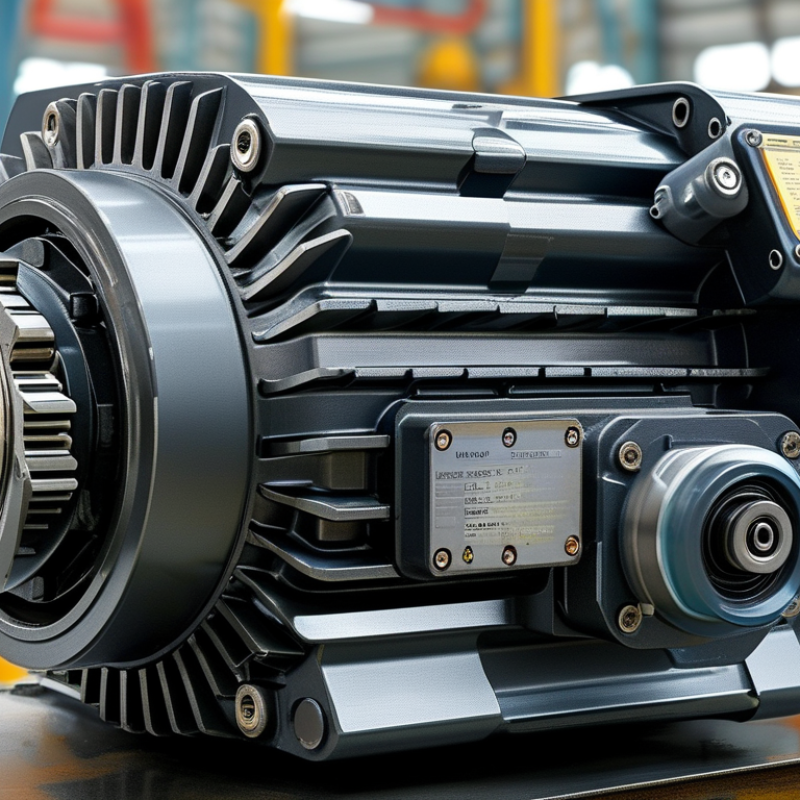
Definition and Functionality of High Torque Gear Motors
High torque gear motors are designed to provide substantial power output in a compact size. These motors combine gears and motors to enhance torque while minimizing RPM. They work effectively by converting speed into force, making them crucial in applications requiring high strength.
These motors find application in various fields. For instance, they power conveyor systems in factories, lifting mechanisms in cranes, and drive systems in robotics. They excel in situations where heavy loads must be moved quickly and efficiently. However, their use demands careful consideration of the application requirements. Overengineering can lead to unnecessary costs, while underestimating torque needs can result in system failures.
One challenge in using high torque gear motors is heat generation. If not managed properly, this can lead to reduced efficiency and premature failure. Users must keep an eye on motor specifications and ensure proper cooling solutions. Maintenance practices can also impact performance. Regular inspection may help identify issues before they lead to costly repairs. Ultimately, understanding the unique demands of your application is key to maximizing the benefits of high torque gear motors.
Key Components of High Torque Gear Motors
High torque gear motors are defined by their robust construction and ability to generate significant force. Their key components work together to ensure efficient operation. At the core is the motor itself, typically designed for high efficiency and durability. These motors are often paired with gear assemblies that drastically reduce the output speed while increasing torque. This dual function is essential in many industrial applications.
The gearbox plays a crucial role. It contains gears that ensure the motor's power is transmitted effectively. These gears can vary in shape and size, impacting the overall performance. For example, bevel gears are excellent for changing the direction of motion, while spur gears provide straightforward torque multiplication. Coupling components also matter. They connect the motor to the gearbox and can influence the system's resilience to vibrations and misalignments.
Frequently, users face challenges with installation and maintenance. Misalignment during setup may affect performance. Additionally, choosing the right materials for gear construction can be tricky. Steel offers strength, but plastic gears reduce weight. Seeking expert guidance can mitigate these issues. Understanding the nuances of these components leads to better application outcomes.
Common Applications Across Industries
High torque gear motors play a vital role across various industries. Their ability to generate significant torque at low speeds makes them invaluable in applications where high starting or sustained loads are present. In manufacturing, these motors drive heavy machinery and conveyor systems, ensuring efficient and reliable operation. Their rugged construction allows them to withstand harsh environments, making them suitable for factory settings.
In automotive applications, high torque gear motors are critical for electric window lifts and seat adjustments. They provide smooth and precise control, improving user experience. In robotics, these motors contribute to precise movements necessary for complex tasks, like assembly or welding. Their durability is essential in mobile machinery, where performance reliability directly impacts safety and productivity.
Choosing the right gear motor involves understanding specific requirements. Look at torque specifications and load characteristics before making a decision. Consider environmental factors as well, such as temperature and humidity. Regular maintenance can extend the motor's lifespan, ensuring consistent performance. High torque gear motors are versatile, but not all are suitable for every task. Each application has unique demands that need careful consideration.
Advantages of Using High Torque Gear Motors
High torque gear motors are essential in various industries, providing unique advantages. These motors are designed to deliver a high level of torque while maintaining a manageable size. This combination is especially beneficial in applications requiring significant force without taking up excessive space. They are commonly used in robotics, conveyor systems, and automotive technology, showcasing their versatility.
One primary advantage of high torque gear motors is efficiency. They convert electrical energy to mechanical energy more effectively than many traditional motors. This efficiency can lead to operational cost savings. Additionally, these motors often have better durability and lifespan, reducing the need for frequent replacements. Implementing high torque motors can also enhance overall performance in a machine or system.
However, there are challenges. High torque gear motors can be more expensive upfront. Their complexity may demand skilled technicians for maintenance. Not all applications may require such high torque, leading to over-engineering in some cases. It's essential to analyze needs carefully and balance cost against potential benefits before choosing these motors for specific projects. This reflective approach can help avoid pitfalls in motor selection.
Considerations for Selecting a High Torque Gear Motor
When selecting a high torque gear motor, several critical factors should be considered. The required torque output is paramount. A torque output within the range of 50 to 200 Nm may be ideal for many industrial applications, according to the International Journal of Advanced Manufacturing Technology. Evaluating load characteristics is equally important. The motor must handle maximum loads without compromising performance, especially in environments with frequent starts and stops.
Speed control is another vital aspect. A gear motor's ability to provide precise speed variation can be a game changer. A study from the Journal of Mechanical Engineering Research suggests that gear motors with adjustable speeds enhance productivity in robotic applications. Additionally, efficiency ratings are often overlooked but crucial. Motors boasting efficiencies above 85% reduce operational costs and environmental impact.
The mounting configuration and physical dimensions require attention too. Available space may limit options even if the performance metrics look promising. It's also worth mentioning that gear motor noise levels can vary significantly. Higher noise can indicate excess strain on components and may lead to premature failure. Therefore, prospective users must conduct thorough investigations and tests to ensure that their choice aligns with the intended application.
FAQS
: They deliver high torque in a compact size, ideal for robotics and conveyor systems.
They convert electrical energy to mechanical energy effectively, leading to cost savings and better performance.
Evaluate required torque output, load characteristics, and speed control needs before making a choice.
A torque output range of 50 to 200 Nm is often ideal for many industrial uses.
High noise levels may indicate excess strain and potentially lead to motor failure.
They can be expensive upfront and may require skilled technicians for maintenance.
Motors with efficiencies above 85% lower operational costs and have a lesser environmental impact.
Yes, some applications may not need such high torque, leading to unnecessary complexity.
Precise speed variation enhances productivity, particularly in robotic applications.
Conduct thorough investigations to ensure proper alignment with intended applications and needs.
Conclusion
A High Torque Gear Motor is a specialized type of motor designed to deliver significant torque while operating at lower speeds. These motors are composed of key elements such as gears, shafts, and motors, which work together to enhance performance and efficiency. The high torque output makes them particularly valuable in various industries, including manufacturing, robotics, and automotive applications, where precision and power are crucial.
The advantages of using High Torque Gear Motors include increased efficiency, improved load handling, and the ability to operate smoothly under heavy loads. When selecting a high torque gear motor, factors such as power requirements, size, and application-specific needs must be considered to ensure optimal performance. Overall, these motors play a vital role in numerous applications, providing the necessary strength and reliability for demanding tasks.
 Fluxon Motor
