Fluxon Motor
Choosing a High Efficiency Gear Motor requires more than comparing efficiency percentages on a product sheet. The motor must match the machine’s torque, speed, duty cycle, load profile, and operating environment. A conveyor moving wet cartons, for example, may need steady torque, corrosion protection, and frequent starts. A compact packaging machine may demand precise positioning and low backlash. The best selection begins with the application, not the catalogue.
The International Energy Agency has reported that electric motor systems consume roughly half of global electricity. The U.S. Department of Energy also notes that motor systems can represent more than 70% of electricity use in manufacturing facilities. These figures explain why a small efficiency improvement can reduce operating costs across thousands of working hours. However, efficiency alone is not enough. A gearbox with poor thermal performance may lose reliability under continuous load. Incorrect sizing can create noise, overheating, or premature bearing wear.
Reliable evaluation should include rated output torque, service factor, gearbox efficiency, motor class, starting current, insulation rating, IP protection, and expected maintenance intervals. IEC 60034-30-1 provides recognized efficiency classifications for electric motors, while ISO 10816 principles can support vibration assessment during commissioning. Field experience still matters. A laboratory rating may not reflect dust, voltage variation, or repeated acceleration on a real production line. That is an uncomfortable detail, but it deserves attention. This guide explains how to compare manufacturers, interpret technical data, and select a High Efficiency Gear Motor that performs efficiently beyond the test bench.
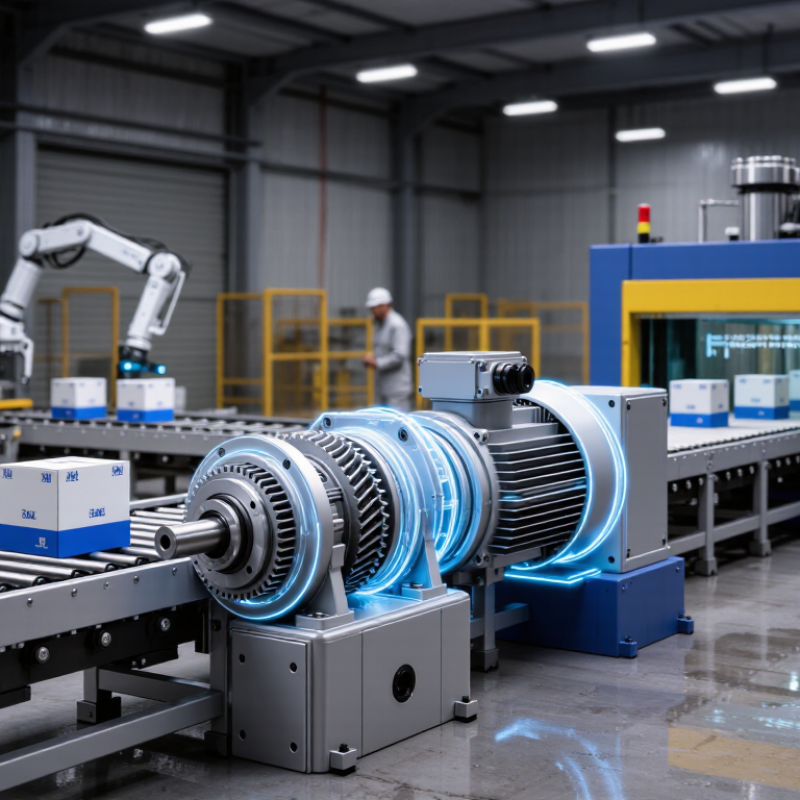
Choosing a high-efficiency gear motor begins with defining the application, not comparing catalog efficiency figures. Measure the required output torque, speed, acceleration, and load profile. A conveyor moving 40 kilograms needs different performance from a positioning mechanism carrying the same mass. Consider starting torque, braking loads, and possible shock impacts. A motor that runs efficiently at steady speed may struggle during frequent starts.
Operating conditions matter just as much. Record the duty cycle, ambient temperature, installation angle, available voltage, and surrounding dust or moisture. Continuous operation creates different thermal demands than ten-second intermittent cycles. Check the gearbox ratio carefully. An unsuitable ratio can force the motor to run near its limits, increasing heat and energy consumption. I have seen equipment perform well during bench testing but overheat after several hours in a poorly ventilated enclosure.
Use realistic measurements rather than optimistic assumptions. Estimate the reflected load inertia and allow an appropriate service margin without excessive oversizing. An oversized motor may waste energy during light-load operation. Also examine noise, backlash, shaft alignment, maintenance access, and expected service life. Small details matter. Record actual current and temperature during a representative test cycle. Then compare those results with the motor’s rated limits. The first selection may be wrong. That is useful information, not failure. Recheck the duty cycle, because real machines rarely behave exactly like the original specification.
How to Choose a High Efficiency Gear Motor?
Compare Gear Motor Types and Transmission Configurations
Choosing a gear motor starts with the machine’s actual motion, not only its rated power. A helical gear motor suits conveyors and mixers because its angled teeth transfer torque smoothly. Spur gears usually cost less, but they can produce more noise at higher speeds. Worm gear motors provide large reduction ratios in compact spaces. Their sliding contact, however, often creates more heat and lower efficiency. Check the duty cycle carefully.
Transmission configuration changes how the motor fits the equipment. Inline gear motors simplify shaft alignment and often reduce mounting errors. Parallel-shaft units work well when the motor must sit beside a conveyor or roller. Bevel gear motors turn power through an angle, saving space around a corner drive. Planetary designs handle high torque in a small housing, although their precision parts can increase maintenance demands.
In field inspections, I look for temperature, vibration, and backlash before accepting a selection. A motor that looks efficient on paper may struggle with frequent starts, heavy acceleration, or poor ventilation. Measure the required output torque at the shaft, then include a realistic service factor. Do not oversize blindly. Excess capacity can increase cost, starting current, and operating losses. Gear ratio, lubrication, sealing, and mounting position also affect service life. Sometimes the best configuration is not the smallest one. That judgment needs testing under the real load.
Typical gearbox efficiency by gear motor type and transmission configuration
Helical, bevel, and planetary gear motors generally provide higher transmission efficiency because they reduce sliding friction. Worm gear motors are often selected for compact layouts, high reduction ratios, and self-locking requirements, but their efficiency is typically lower. Actual performance depends on load, speed, lubrication, reduction ratio, operating temperature, and alignment.
Values shown are representative engineering ranges converted to typical nominal efficiencies at rated load; actual values vary by design and operating conditions.
Choosing a high-efficiency gear motor requires more than reading the highest efficiency percentage. Efficiency describes how much electrical input becomes useful mechanical output. Measure it under your real load, not only in a laboratory no-load condition.
Torque comes first. Compare required continuous torque with the motor’s rated torque, then check starting and peak demands. A conveyor carrying cold, heavy boxes may need a sharp starting surge, even when running torque seems modest. Allow a practical safety margin, but avoid oversizing. An oversized motor can operate inefficiently at light loads. Speed matching is equally important. Calculate gearbox output speed from input speed and reduction ratio, then confirm the machine’s acceptable range. Too much speed can create heat, vibration, or product damage. Too little speed may stall the process.
Power links torque and speed: P = T × ω Check whether the published power rating applies continuously, intermittently, or only under specific cooling conditions. Inspect duty cycle, ambient temperature, mounting position, and back-driving behavior. Field checks often reveal problems that catalog figures miss. A clean specification sheet is still only an estimate.
Tips: Record actual load, start frequency, shaft speed, and available voltage. Request efficiency curves at your operating point. Leave room for heat, wear, and measurement error. Recheck performance after installation; a quiet motor is not automatically efficient.
How to Choose a High Efficiency Gear Motor?
Match the Gear Motor to Load, Duty Cycle, and Environment
Choosing a high-efficiency gear motor starts with the driven load, not the catalog efficiency number. Field commissioning often reveals a wide load gap. A conveyor may demand 18 N·m during acceleration but only 7 N·m while running. Select for both conditions. Calculate output torque, speed, starting torque, and service factor. The U.S. Department of Energy’s Industrial Motor Systems Market Assessment found that motor-driven systems consume more than half of industrial electricity. Small sizing errors become costly over thousands of operating hours. A spreadsheet can still lie.
Duty cycle changes the decision. Intermittent indexing, reversing, and frequent starts create heat faster than continuous operation. Record cycles per hour, run time, stops, and peak load. IEC 60034-30-1 defines motor efficiency classes. However, gearbox losses, lubrication, and controls also affect total performance. The IEA 4E Electric Motor Systems Annex estimates that motor systems consume about 46% of global electricity. Judge efficiency at the real operating point, not only from the nameplate. A lower-rated unit may work. Not always safely.
Environment is equally practical. In dusty areas, specify suitable enclosure protection and effective seals. In washdown zones, consider corrosion-resistant housing, drainage, and protected cable entries. High ambient temperature reduces thermal margin. Altitude can also weaken cooling performance. Check derating curves and confirm mounting position before purchase. Measure shaft temperature after a full production shift. That simple test may expose overload, misalignment, or poor ventilation. Maintenance access matters too. Hidden wear can quietly reduce efficiency.
Choosing a high-efficiency gear motor starts with measured energy performance, not a brochure percentage. The International Energy Agency reports that electric motor systems use about 53% of global electricity. Small efficiency losses therefore become significant across continuous production. Check motor, gearbox, and drive efficiency together at the real duty point. A motor rated at 90% efficiency may perform differently under partial load. Verify test methods against IEC 61800-9-2 and request certified operating curves.
Reliability depends on the working environment. Examine service factor, thermal limits, bearing life, sealing, vibration, and overload behavior. Record ambient temperature, starts per hour, shock loads, and washdown exposure. The U.S. Department of Energy identifies proper sizing, alignment, and controls as major opportunities for motor-system savings. These details sound ordinary. They prevent expensive surprises. I would not accept a perfect reliability claim without test records, warranty conditions, and field references. Laboratory results can miss dust, heat, and careless installation.
Maintenance and total cost deserve equal attention. Compare lubricant type, replacement intervals, inspection access, spare-part availability, and expected downtime. Calculate purchase price, electricity, maintenance labor, and production losses over the intended service life. The European Commission’s Ecodesign analysis shows that stricter motor efficiency requirements can deliver substantial energy savings across industry. Still, the cheapest unit may win in a short spreadsheet. That calculation is often incomplete. Include inverter compatibility, installation time, and disposal costs. A practical choice is the unit that remains efficient, serviceable, and predictable after years of real operation.
Measure output torque, speed, acceleration, and load changes. Include starting torque and sudden impacts. Real measurements beat optimistic assumptions.
A conveyor may need 18 N·m during acceleration but only 7 N·m while running. Select for both conditions. Steady speed is not enough.
Record operating time, stops, reversals, cycles per hour, and peak loads. Frequent starts create heat quickly. Ten-second cycles differ from continuous operation.
Helical gears support smooth conveyor movement. Spur gears usually cost less but may be noisier. Worm gears provide compact reduction, yet sliding contact can create extra heat.
Inline units simplify alignment. Parallel-shaft units fit beside conveyors. Bevel units turn power around corners. Planetary units handle high torque in compact housings.
Poor ventilation can cause overheating after several hours. Check ambient temperature, enclosure space, and mounting position. Measure shaft temperature after a full shift.
Not automatically. Oversizing may increase cost, starting current, and light-load losses. Use a realistic service margin. Too little capacity is risky, but too much is wasteful.
Check dust, moisture, washdown exposure, altitude, and corrosion risk. Use suitable sealing and protected cable entries. Small details matter.
Test the motor under a representative load cycle. Record current, vibration, noise, and temperature. The first choice may be wrong. Recheck the assumptions.
Choosing a High Efficiency Gear Motor starts with a clear understanding of the application. Define the required output speed, torque, power, operating hours, load characteristics, starting conditions, and installation limits. Then compare suitable gear motor types and transmission configurations, considering how each design affects efficiency, noise, backlash, durability, and control performance. The selected unit should be matched carefully to the load, duty cycle, and working environment, including temperature, dust, moisture, vibration, and available space.
Beyond basic ratings, evaluate actual energy performance across the expected operating range rather than relying only on peak specifications. Confirm that the motor can deliver sufficient torque and speed without excessive heating or overloading. Reliability, service accessibility, lubrication needs, replacement intervals, and protection features should also be reviewed. Finally, consider the total cost of ownership, including purchase price, energy consumption, maintenance, downtime, and expected service life, to ensure the gear motor provides efficient and dependable long-term operation.
