Fluxon Motor
In recent years, the DC gear motor market has experienced significant growth, driven largely by advancements in robotics, automation, and electric vehicles. According to a report by Research and Markets, the global DC gear motor market is projected to reach $4.5 billion by 2026. Choosing the right DC gear motor is crucial for ensuring the efficiency and reliability of your application.
When selecting a DC gear motor, consider its torque, speed, and size. These factors play an integral role in determining its suitability for your specific needs. The market offers a vast array of options, making the decision process overwhelming. Industry professionals often highlight the importance of understanding load requirements and environmental conditions to optimize performance.
However, many users may overlook critical specifications, leading to suboptimal choices. This can result in inefficiency or equipment failure. A well-informed decision can enhance system performance significantly. Therefore, delving into the details of your requirements and consulting with experienced suppliers can help mitigate potential pitfalls. Making an informed choice ensures that your DC gear motor will meet expectations effectively.
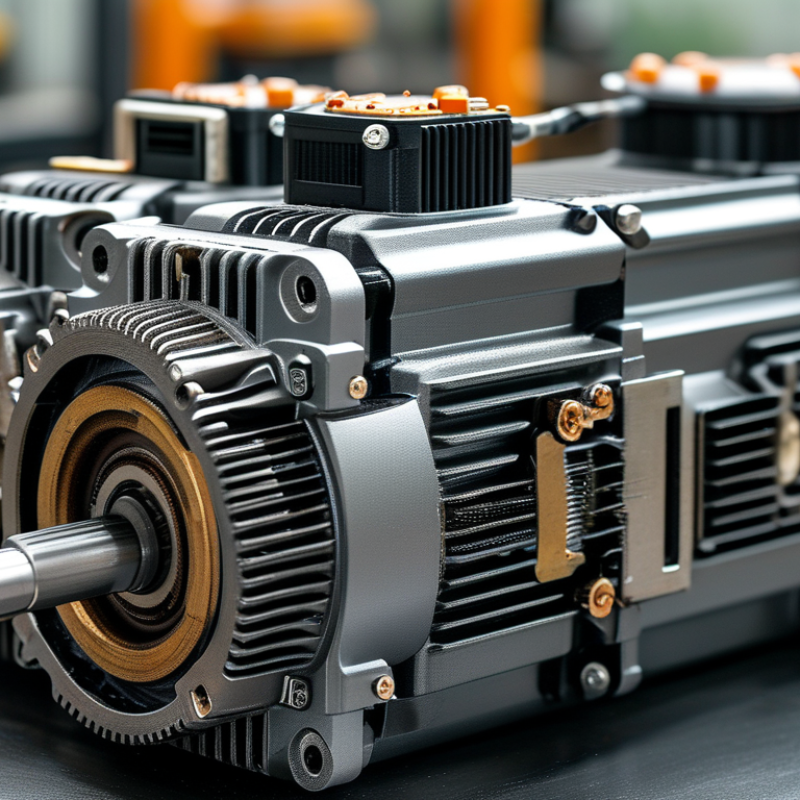
DC gear motors are essential components in various applications. Understanding their fundamentals helps you make informed decisions. These motors combine a DC motor with a gearbox. The gearbox reduces speed and increases torque. This combination is vital for tasks requiring high force at low speeds.
When selecting a DC gear motor, consider specifications like voltage, power, and speed. A motor's torque and efficiency also play significant roles. Determine the application needs first. For instance, robotics and conveyor systems have different requirements. A thorough analysis helps in choosing the right motor.
Be mindful of common challenges. Overloading can lead to motor failure. Noise levels should be considered, especially in quiet environments. Ensure proper mounting and alignment for optimal performance. Remember, it's fine to have doubts when choosing. Research and experimentation can guide you to the right motor for your project.
When selecting a DC gear motor, key specifications play a crucial role in ensuring it meets your specific needs. One important factor is torque. Torque is the rotational force that a motor can exert. According to industry data, the average torque requirement can vary greatly depending on the application. For instance, robotic systems typically require between 0.5 Nm to 5 Nm of torque. Assessing your project's demands accurately is essential; underestimating can lead to motor failure.
Speed is another critical specification. The speed of a DC gear motor can range anywhere from 1 RPM to several thousand RPM. Finding the right balance between speed and torque is necessary for optimal performance. A speed too high may compromise accuracy, while too low can hinder efficiency. The gear ratio also influences these characteristics. A common ratio in industry applications is 10:1, which allows for a balance between speed and torque.
Lastly, consider the efficiency. DC gear motors generally operate at 70% to 90% efficiency. Poor efficiency not only affects performance but can increase operational costs over time. It’s essential to choose a motor that not only fits your performance criteria but also provides a reliable and cost-effective solution. A deeper awareness of these specifications can minimize errors and enhance overall project outcomes.
This chart compares three different DC gear motors based on key specifications: Torque, RPM, Efficiency, Weight, and Price. Use this to identify which motor best suits your needs.
Choosing the right DC gear motor starts with understanding your load requirements. Different applications need varying levels of power. Consider how much weight your motor must manage. This will determine the torque specifications. Torque is essential for overcoming resistance. If the motor lacks adequate torque, it will struggle, leading to inefficiency.
Next, think about the specific conditions of your project. Will the motor face continuous use? High temperatures might affect performance. Short bursts of high torque might be necessary for starting loads. You may need to test different configurations. This can expose flaws in initial calculations. It's important to have a trial-and-error approach to find the optimal setup.
Reflect on future needs as well. Technology evolves rapidly. Your current choice might become obsolete. Investing in a flexible motor design can mitigate this risk. Always weigh the balance between power and efficiency. Good performance comes from understanding your unique context and adapting accordingly.
| Motor Type | Rated Voltage (V) | Rated Torque (Nm) | Rated Speed (RPM) | Load Capacity (kg) |
|---|---|---|---|---|
| Planetary Gear Motor | 24 | 0.5 | 120 | 15 |
| Spur Gear Motor | 12 | 0.3 | 90 | 10 |
| Servo Gear Motor | 48 | 1.0 | 180 | 20 |
| Brushless DC Motor | 36 | 0.7 | 150 | 18 |
| Coreless DC Motor | 6 | 0.1 | 220 | 5 |
When choosing a DC gear motor, understanding motor speed is vital. Speed determines how quickly an application can function. Different tasks require different speeds. For example, a conveyor belt might need high speed, while a robotic arm may function better at a slower pace. Evaluating these requirements will help ensure that you select the right motor.
Efficiency is another crucial factor. An efficient motor saves energy and minimizes operational costs. Look for motors that offer optimal torque at various speeds. High efficiency often correlates with longer lifespan and reduced maintenance. However, efficiency alone does not guarantee performance in all applications. Testing and experimentation are essential to find the right balance between speed and efficiency.
Consider the load your application will bear. Higher loads can affect speed and overall motor performance. It’s vital to assess how changes in load impact your motor’s effectiveness. Do not overlook the context in which the motor will operate. Environmental factors like temperature and humidity can also play a role in motor efficiency. By carefully evaluating these aspects, you can make a more informed decision about the best DC gear motor for your needs.
DC gear motors come in various types, each designed for specific applications. Understanding these variations is essential for making the right choice. There are brushed and brushless DC gear motors. Brushed motors typically offer simplicity and cost-effectiveness, while brushless motors provide higher efficiency and longer lifespan. Each option presents unique advantages and trade-offs.
Torque requirements are crucial when choosing a DC gear motor. High-torque applications, like robotics or conveyor systems, can benefit from planetary gear setups. These setups deliver superior torque and compact dimensions. For low-torque applications, such as small pumps or hobby projects, spur gears might suffice. However, it’s wise to reflect on your project's specific needs. Sometimes, gear motor specifications may not entirely align with expectations, requiring recalibration or adjustments.
Another aspect to consider is the voltage and speed ratings of the motor. A motor that runs too fast might lead to inefficiency or overheating. Conversely, a slow motor may not meet operational performance. Testing and simulations can help optimize these parameters. Yet, some trial and error often comes with the selection process, revealing that the ideal motor may not be the first option considered.
: DC gear motors combine a DC motor with a gearbox. They reduce speed and increase torque for various tasks.
Torque is the rotational force a motor can exert. Correct torque is crucial to prevent motor failure during operation.
Assess your application needs first. Consider specifications like voltage, power, speed, torque, and efficiency.
Speed can vary from 1 RPM to several thousand RPM. Balance speed with torque for optimal performance.
Underestimating torque can lead to motor failure. It's essential to evaluate your project's demands accurately.
The gear ratio influences speed and torque. A common ratio, like 10:1, helps balance both characteristics effectively.
Aim for motors with 70% to 90% efficiency. Poor efficiency raises operational costs over time and affects performance.
Yes, noise levels matter, especially in quiet environments. Consider this in your selection process for optimal use.
Watch for overloading and ensure proper mounting. These factors can significantly impact performance and longevity.
Yes, having doubts is normal. Research and experimentation can guide you to the right motor for your project.
Choosing the right DC gear motor for your application involves understanding its fundamental components and specifications. First, it's essential to grasp the basics of DC gear motors, which convert electrical energy into mechanical motion while providing controlled torque and speed. Key specifications to consider include voltage, power output, gear ratio, and efficiency, as these factors will influence the motor's performance in your specific application.
Moreover, assessing load requirements and torque needs is crucial to ensure the motor can handle the demands of your project. Evaluating the motor's speed and efficiency will help maximize performance while maintaining energy consumption. Lastly, exploring various types of DC gear motors and their specific uses can guide you in selecting the best fit for your needs, ultimately leading to more effective and reliable operation in your applications.
