Fluxon Motor
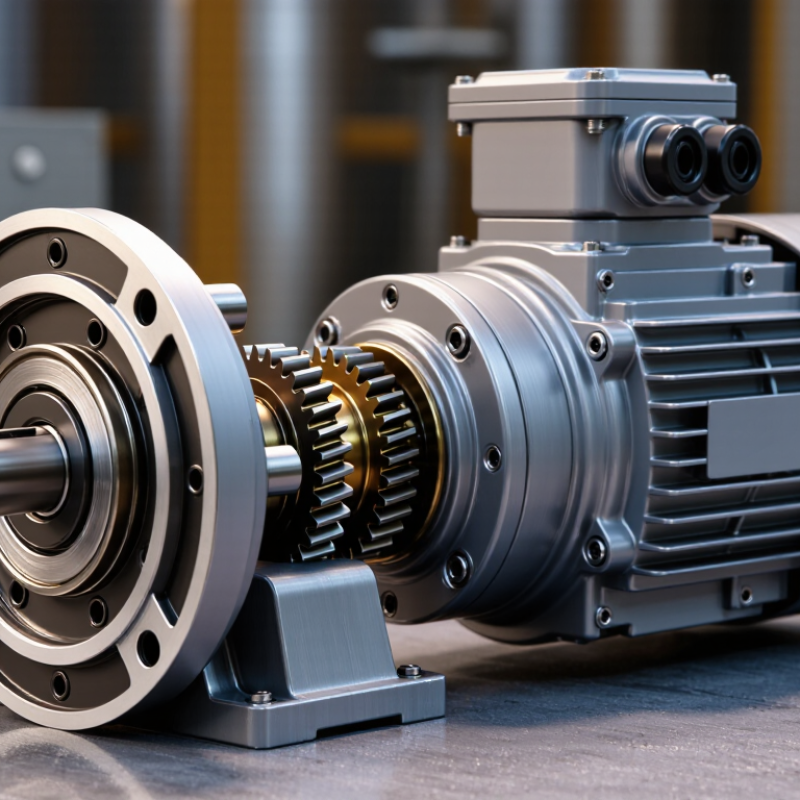
An Automatic Gear Motor combines an electric motor with a gearbox to deliver controlled speed and torque. It may look like a compact, straightforward unit. Selection is rarely that simple. A motor that matches the rated power can still struggle with frequent starts, heavy loads, or poor heat dissipation. Small details matter.
The U.S. Department of Energy’s Improving Motor and Drive System Performance: A Sourcebook for Industry estimates that motor-driven systems use about 68% of electricity consumed in U.S. manufacturing. The International Energy Agency’s 2011 report, Energy-Efficiency Policy Opportunities for Electric Motor-Driven Systems, estimated their share at roughly 46% of global electricity use. These figures describe broad motor systems, not savings guaranteed by one gear motor. Still, they show why efficiency, operating conditions, and correct sizing deserve careful attention.
A useful selection process starts with the real application: required output speed, starting torque, duty cycle, mounting position, and surrounding conditions. Check the gearbox ratio and service factor against the actual load, not an optimistic estimate. Then review efficiency, voltage, controls, noise, maintenance access, and supplier documentation. A datasheet helps, but it cannot replace measurements from the machine. Sometimes the load is less predictable than the design suggests. These seven tips offer a practical way to compare options, spot common sizing mistakes, and choose an Automatic Gear Motor that fits the job—not just the specification sheet.
Start with the load the gear motor must move, not just the object’s weight. Record the force needed to start it, keep it moving, and stop it safely. A conveyor carrying boxes, for example, may need extra torque when fully loaded or when its belt is cold. Note friction, incline, and any sudden changes in load. Small details matter.
Set the required output speed at the driven shaft. Then check whether that speed must stay steady as the load changes. Gear ratios can reduce speed and increase torque, but they do not remove losses. Allow for acceleration time, too; a motor that reaches the target speed eventually may still be too slow for the process. Measure the real cycle if possible. Estimates can be wrong.
Operating conditions shape the choice as much as load and speed. Specify daily run time, starts per hour, reversing frequency, mounting position, and available space. Heat, dust, moisture, or poor airflow can affect performance and service life. In practice, a motor that works well during a short test may overheat in continuous use. I would verify the duty cycle and temperature limits against the actual installation, then revisit them after a trial run.
Choosing motor power and gearbox ratio starts with the load, not the motor catalogue. Estimate the torque and speed needed at the driven shaft, then account for startup load, operating hours, and how often the machine stops. A conveyor carrying full bins may need more starting torque than its steady running load suggests. That matters.
A gearbox ratio trades speed for torque. A higher reduction ratio lowers output speed and increases available torque, minus gearbox losses. As a rough check, output speed is motor speed divided by the ratio; output torque is motor torque multiplied by the ratio and gearbox efficiency. Check both. These estimates are only a starting point, since actual ratings depend on duty cycle, temperature, and gearbox design.
Avoid choosing extra motor power as a substitute for checking the ratio. An unsuitable ratio can make a machine run too fast, or leave it short of torque at startup. Compare the calculated requirements with the motor’s continuous rating and the gearbox’s permitted torque. For frequent starts or shock loads, ask the supplier or a qualified engineer to verify the selection. I have seen paper calculations look tidy, then miss a real load spike. Measure where possible, and leave sensible operating margin without oversizing by guesswork.
An automatic gear motor must handle the real load, not just the nameplate estimate. The U.S. Department of Energy’s Improving Motor and Drive System Performance sourcebook reports that motor-driven systems use about 68% of U.S. industrial electricity. That makes correct sizing important for both reliable operation and energy use. Measure the load at the shaft, and account for gearbox efficiency. A conveyor may need far more torque to start with a full belt than to keep moving.
Tip: Check peak and continuous torque separately. Include friction, acceleration, and any shock loads. Then verify the gearbox’s rated output torque and the motor’s thermal limits. A safety margin helps, but oversizing can also waste energy. Real installations are messier than calculations.
Tip: Match duty cycle and starting conditions to the application. IEC 60034-1 defines duty types, including S1 for continuous operation and S3 for intermittent periodic duty. Record operating time, rest intervals, starts per hour, ambient temperature, and whether the motor starts under load. Frequent starts heat windings; a high breakaway load can stall a motor with adequate running torque. Check the manufacturer’s starting-torque and thermal data against the actual cycle before choosing the gear ratio.
Mounting details can decide whether an automatic gear motor runs smoothly or wears early. Check the required foot or flange pattern, shaft diameter, and output direction against the machine drawing. Then measure the actual frame. Drawings can be outdated. Leave room for tools, wiring, and future removal. A few millimeters of misalignment may add unwanted load to the shaft or coupling, so verify alignment after installation.
The environment matters just as much. Note ambient temperature, dust, moisture, vibration, and cleaning methods. A rating for occasional splashes does not necessarily suit repeated washdowns. Check the motor’s enclosure rating and operating limits, and consider whether nearby guards restrict airflow. In a warm cabinet, heat can build up quietly. It is easy to overlook.
Control compatibility needs a close check before ordering. Confirm supply voltage, phase, rated current, starting torque, and the controller’s output range. Compare the required speed with the motor’s gear ratio; a compatible electrical connection alone does not guarantee useful machine speed. If the system uses feedback or variable-speed control, confirm those requirements too. Test the setup under a realistic load, not just while unloaded. That extra check takes time, and it is often skipped.
7 Tips for Choosing an Automatic Gear Motor
Compare Efficiency, Reliability, and Maintenance Needs
Tip: Compare efficiency at your actual load, not just the motor’s headline rating. A unit may run efficiently near its rated speed but waste energy during frequent starts or light-load operation. Check the motor and gearbox data together. Match the speed and torque to your equipment’s normal working range. Small mismatches add up.
Tip: Judge reliability against the conditions on your floor. Note operating hours, start-stop frequency, ambient heat, dust, and vibration. Check rated torque and duty cycle, then confirm the housing and seals suit the environment. Ask for test information or maintenance guidance. A high torque rating alone proves little.
Tip: Estimate maintenance before choosing. Check whether lubrication is required, how often it is needed, and whether service points are easy to reach. Compare replacement-part availability and the time needed for routine inspection. Keep a simple record of temperature, noise, and vibration after installation. It helps reveal changes early. Quiet operation is useful, but it does not guarantee long life. I would recheck the selection if the expected load keeps changing; that detail is easy to overlook.
Measure starting, running, and stopping force. Include friction, slopes, and sudden load changes. Box conveyors can need more torque when full.
They reduce speed and increase torque, but losses remain. Check the driven shaft’s actual speed.
Reaching the target speed eventually may still be too slow. Measure a real operating cycle if possible. Estimates can miss.
Note daily run time, starts per hour, reversing, and mounting position. Also check available space and airflow.
Heat, dust, moisture, and vibration can reduce performance. A warm cabinet may quietly trap heat.
Compare the foot or flange pattern, shaft diameter, and output direction with the machine. Measure the actual frame; drawings may be outdated.
Check voltage, phase, rated current, starting torque, and controller output. Feedback or variable-speed control may add requirements.
Run it under a realistic load, not only unloaded. Check alignment after installation. I might still miss something, so review it after a trial run.
Choosing an Automatic Gear Motor starts with a clear understanding of the load, required speed, and operating conditions. Consider how often the system will run, how quickly it must move, and whether the load changes during operation. These details help narrow down the motor’s power and gearbox ratio, so the unit can deliver the right balance of speed and force without being unnecessarily oversized.
Next, check that the motor can handle the required torque, duty cycle, and starting demands. Confirm that its mounting arrangement, operating environment, and control options fit the equipment. Finally, compare efficiency, expected reliability, and maintenance requirements. A well-matched motor and gearbox can support consistent performance, reduce avoidable wear, and make the overall system easier to operate and maintain.
