In recent years, gear motors have gained immense popularity across various industries. They are known for their efficiency and reliability. Among these, Hot Sale Gear Motor options have stood out. These motors are designed to meet diverse project requirements. Their versatility makes them suitable for multiple applications.
When selecting a gear motor, it's crucial to consider factors such as torque, speed, and size. A well-chosen motor can significantly improve the efficiency of your project. However, not all options are created equal. Users often face challenges in identifying the best Hot Sale Gear Motor for their specific needs.
The market offers numerous choices, each with varying features. Some motors might excel in performance but lack durability. Others may be affordable but insufficient in power. Understanding these nuances is essential for making informed decisions. By diving into the top 10 Hot Sale Gear Motor options available, we aim to guide you through the selection process, ensuring you find a reliable solution for your projects.
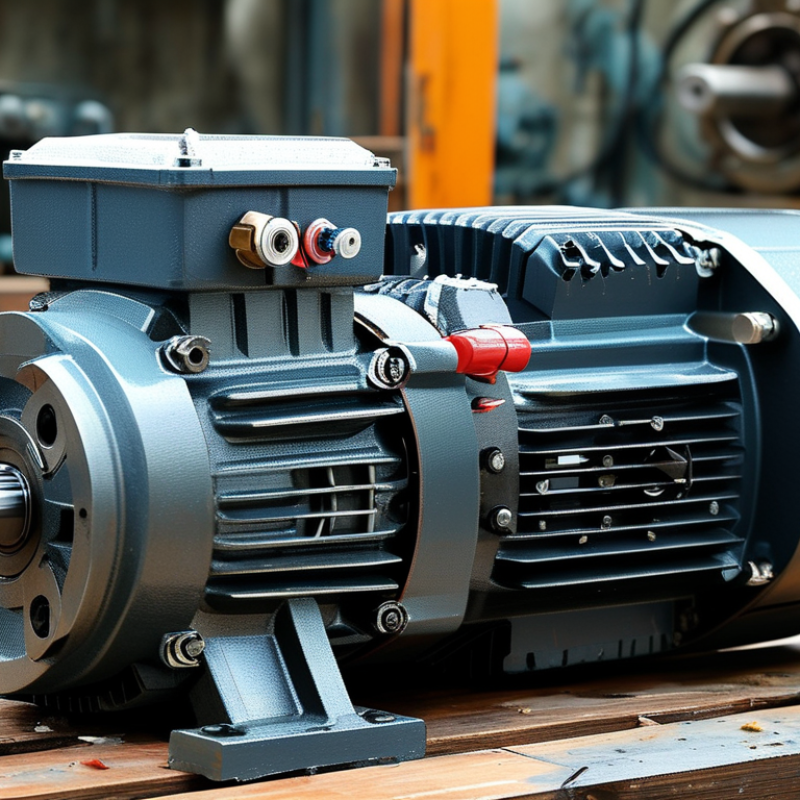
Overview of Gear Motors and Their Applications in Various Projects
Gear motors are essential components in many projects, serving various applications across multiple industries. They combine a motor and a gearbox, providing the necessary torque and speed for efficient operation. This makes them ideal for precision tasks that require controlled movement, such as robotics and conveyor systems. In manufacturing, they help lift heavy loads smoothly.
The design of a gear motor can significantly affect its performance. Different projects may need specific gear ratios to achieve desired speeds. For instance, a low-speed application might require a high gear ratio, while high-speed tasks may need a lower ratio. Selecting the right gear motor can be challenging without proper understanding. Overlooking torque specifications or motor ratings can lead to project failures.
In the automotive sector, gear motors drive components like windshield wipers and seat adjustments. Their reliability and compact size make them a favorite for OEMs. Other uses include industrial machinery and home appliances. As project needs evolve, the versatility of gear motors will remain critical. Choosing the right option involves careful evaluation of project demands and the challenges presented.
Criteria for Selecting the Right Gear Motor for Your Needs
Selecting the right gear motor for your project involves understanding several key factors. First, consider the motor's torque and speed requirements. Torque directly affects performance in applications requiring heavy lifting. If a motor doesn't provide enough torque, it can slow down your entire operation.
Next, evaluate the motor's size and weight. Poor fit can lead to installation issues, limiting overall efficiency. Ensure that the dimensions align with your project constraints. This often requires careful measurements and planning.
Lastly, think about the motor's operational environment. Will it face high temperatures or exposure to dust and moisture? Gear motors vary in their robustness. A mismatch could lead to failures. Balancing these criteria with your project's needs is crucial. You may need to revisit your choices after initial assessments. Staying flexible will help you refine your selection process and enhance performance.
China Top 10 Hot Sale Gear Motor Options for Your Projects
This chart displays the popularity of various gear motor types based on sales volume in 2023. Use this data to help inform your project choices based on market trends.
Top 10 Popular Gear Motor Brands in China and Their Features
When selecting gear motors for your projects, it’s crucial to understand the various brands available in China. Each brand provides unique features that cater to different application needs. Some gear motors excel in efficiency. Others focus on durability or compact design. This diversity allows engineers to choose the best fit for their specific requirements.
One brand may offer advanced materials used in gear production, ensuring longevity and resistance to wear. Another might emphasize noise reduction, making it ideal for quiet environments. It’s essential to evaluate these factors when making a decision. Users often find that asking for recommendations from experienced peers helps in narrowing down choices. Many experienced engineers value ease of integration and maintenance, which might also influence the selection process.
However, navigating the vast array of options can be overwhelming. Some models may not live up to expectations, leading to project delays. It’s important to research and consider user reviews before deciding. Engineers must weigh performance against cost-effectiveness. In project planning, a careful balance is necessary to avoid wasted resources. Always reflect on previous choices and learn from past mistakes in gear motor selection.
Comparative Analysis of Gear Motor Performance and Price
When selecting gear motors for projects, performance and price play crucial roles. A comparative analysis reveals varying efficiencies and costs among top options. Research by industry analysts indicates that high torque motors often come with higher price tags. For example, motors with torque ratings exceeding 50 Nm typically cost around 20-30% more than lower-rated models.
Choosing the right gear motor requires balancing performance and budget. Typically, high-efficiency motors can reduce operating costs in the long run, highlighting the importance of initial versus lifecycle cost analysis. Interestingly, data suggests that less efficient models may offer better upfront savings but can result in higher energy expenses over time.
Tips:
- Evaluate the specific torque and speed requirements for your application before purchasing.
- Consider the total cost of ownership rather than just the initial purchase price. Even small differences can significantly impact your project's budget.
- Remember that the market is dynamic. New technologies and models can change price-performance ratios frequently. Keep up with industry reports to make informed decisions.
Case Studies: Successful Projects Using Chinese Gear Motors
In recent years, Chinese gear motors have gained recognition for their efficiency and reliability in various projects. One notable case involves a manufacturing company that implemented a specific type of gear motor, leading to a 30% increase in production speed. This improvement highlights the potential benefits of using advanced motors tailored for specific applications.
Data from industry reports indicate that the global gear motor market is expected to reach $37 billion by 2026, driven by the demand for automation. Furthermore, around 40% of businesses reported reduced energy consumption after transitioning to Chinese gear motors. Projects in sectors like robotics and conveyor systems demonstrate how these motors improve the overall operational effectiveness. However, not every implementation is flawless. Some projects faced issues with compatibility and integration.
Despite challenges, success stories abound. A construction project integrated gear motors for lifting applications, achieving a 25% reduction in cycle times. Such instances show the value of careful selection and application. As the market evolves, industries should conduct thorough research. This ensures that the chosen gear motor aligns with project goals and performance expectations.
China Top 10 Hot Sale Gear Motor Options for Your Projects
| Motor Type |
Power (W) |
Torque (Nm) |
Speed (RPM) |
Efficiency (%) |
Application |
| DC Gear Motor |
30 |
1.2 |
120 |
85 |
Robots |
| AC Gear Motor |
50 |
2.5 |
90 |
80 |
Conveyor Systems |
| Stepper Motor |
10 |
0.5 |
300 |
75 |
3D Printers |
| Brushless DC Motor |
40 |
1.8 |
150 |
90 |
Drones |
| Precision Gear Motor |
20 |
0.8 |
200 |
88 |
CNC Machines |
| Hybrid Stepper Motor |
25 |
1.0 |
400 |
82 |
Textile Machines |
| Synchronous Motor |
60 |
3.0 |
80 |
89 |
Pumps |
| Induction Motor |
100 |
5.0 |
70 |
87 |
Industrial Applications |
| Low-Voltage Gear Motor |
15 |
0.6 |
250 |
85 |
Home Appliances |
| AC Servo Motor |
80 |
4.0 |
75 |
92 |
Automated Machinery |
Conclusion
This article provides a comprehensive overview of gear motors, emphasizing their importance in various projects and applications. It discusses the criteria for selecting the right hot sale gear motor based on parameters such as torque, speed, efficiency, and price. The article also highlights the top ten popular gear motor options available in China, detailing their key features and performance characteristics. Furthermore, a comparative analysis of these gear motors is presented, illustrating how different models perform against their costs. Lastly, the article offers insightful case studies of successful projects that utilized Chinese gear motors, showcasing their reliability and efficiency in real-world applications. This information is valuable for anyone looking to make informed decisions when selecting a hot sale gear motor for their projects.
 Fluxon Motor
