Fluxon Motor
Fluxon Motor
Fluxon Motor
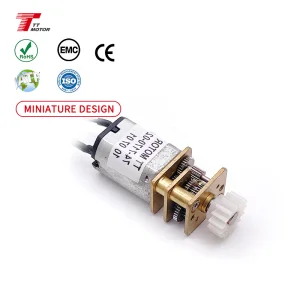
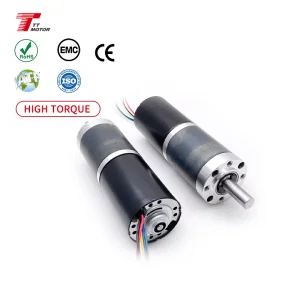
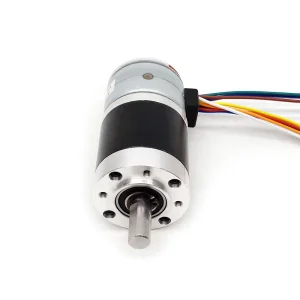
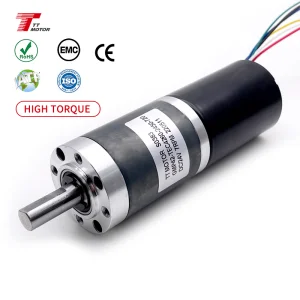
Inside a premium robotic joint, an automated medical valve, or a high-end smart lock, space is the ultimate luxury. At Fluxon Motor, we measure our manufacturing success in micrometers and decibels. Our mission is to take advanced, heavy-duty rotational power and compress it into the most compact, energy-efficient footprints imaginable.
As a leading China Electromechanical Gear Motor Manufacturer, our expertise lies in the micro-details of motion control. From precision-wound copper rotors and high-purity commutators to zero-backlash planetary gear trains, every single internal component of a Fluxon Motor is optimized to eliminate friction and maximize heat dissipation. By combining advanced automated Swiss-style hobbing with Japanese dynamic balancing, we ensure our micro drives deliver the fluid, whispering-quiet power your brand promises.
Our automatic winding processes ensure high copper fill factors, translating to higher torque density and efficiency compared to standard factory outputs.
Utilizing high-precision hobbing, we minimize mechanical play, which is critical for medical robotics and high-end positioning systems.
Japanese dynamic balancing eliminates vibration, achieving decibel levels suitable for quiet smart-home and clinical environments.
The clustering of material suppliers in China allows for 30% faster prototyping cycles. From raw rare-earth magnets to precision alloy gears, the entire supply chain is localized.
We leverage AI-integrated testing systems to monitor every unit's RPM, torque curve, and noise profile in real-time, ensuring 100% compliance with international standards.
Unlike traditional factories, our "Flexible Manufacturing System" (FMS) allows for small-batch customizations (encoders, shafts, connectors) without the overhead of mass-market lead times.
Our motors are designed for 10,000+ hours of operation, reducing replacement waste and aligning with global green energy initiatives.
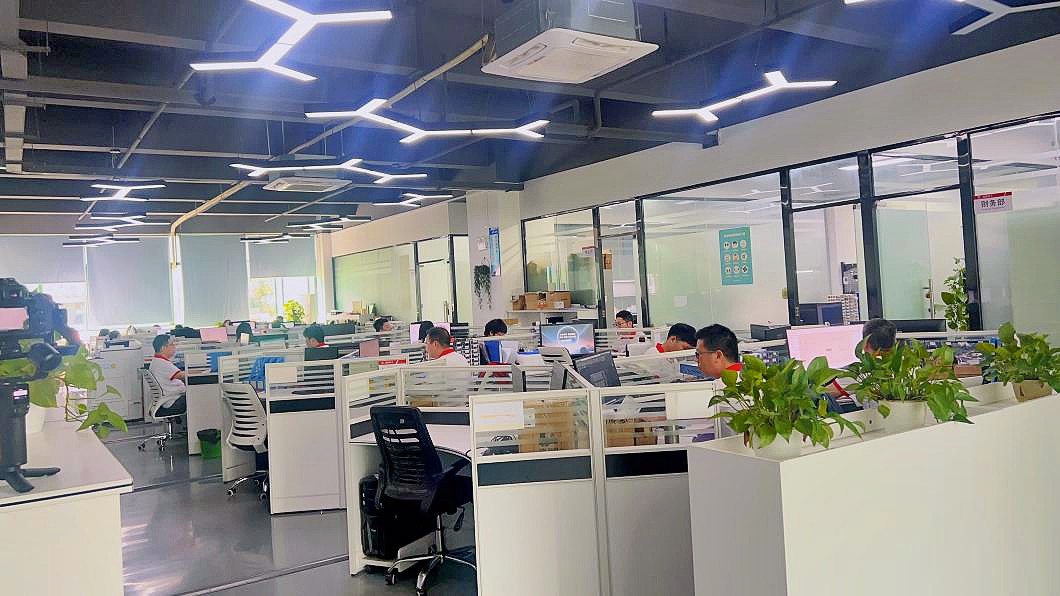
International buyers are moving away from "lowest price" toward "highest reliability." There is a 40% increase in demand for gear motors with integrated encoders and smart feedback loops for IoT integration.
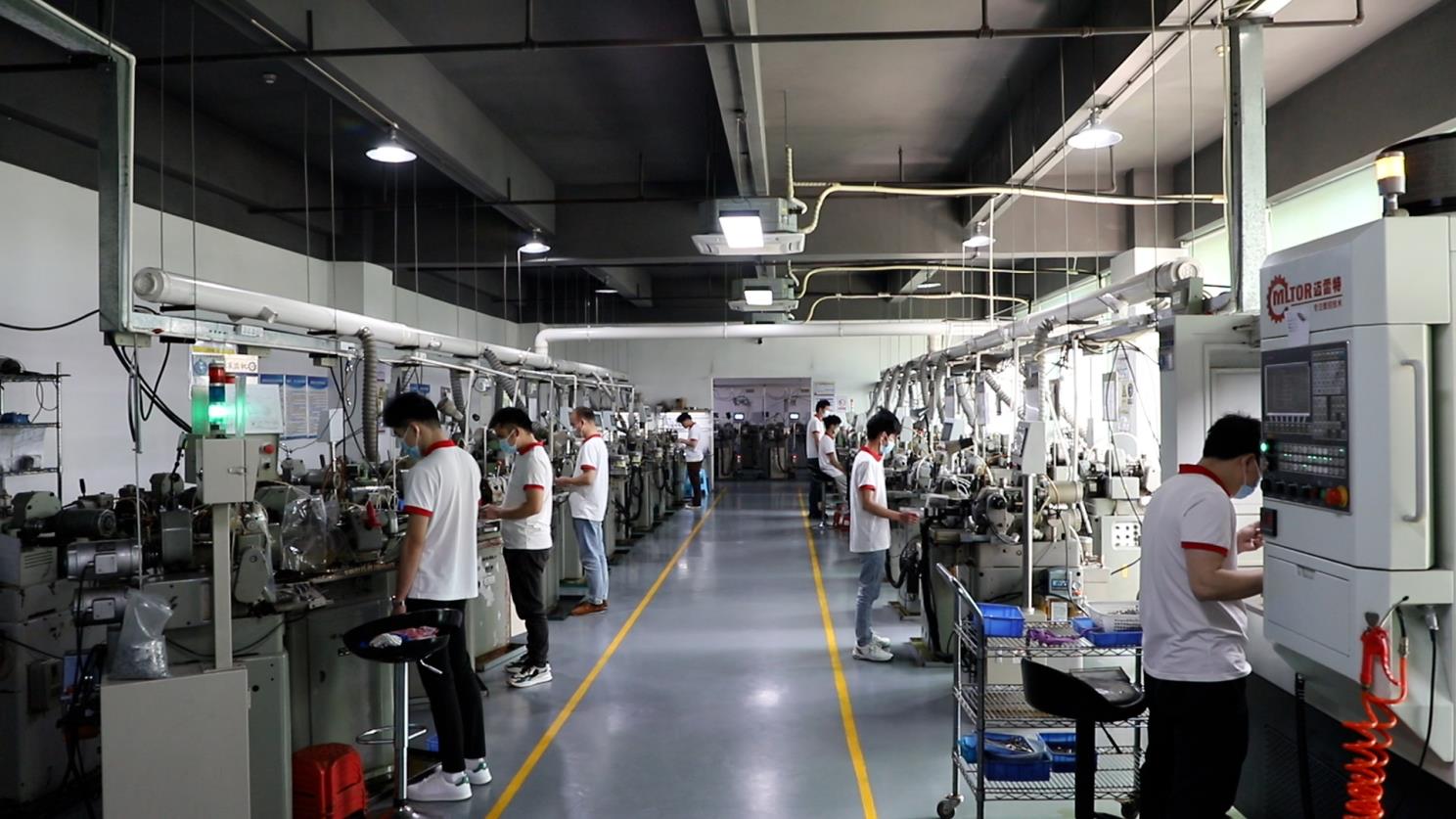
The trend is miniaturization. Electromechanical motors are becoming "embedded components" rather than separate modules. Carbon-fiber gears and self-lubricating alloys are the new frontier.
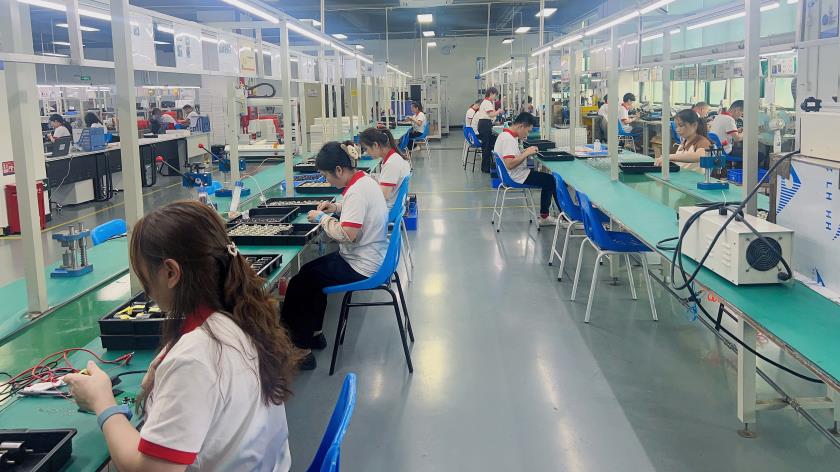
Post-pandemic, the demand for service robots (delivery, cleaning, hospital) has spiked the 12V/24V gear motor market, making China the global hub for these specific high-torque micro-solutions.
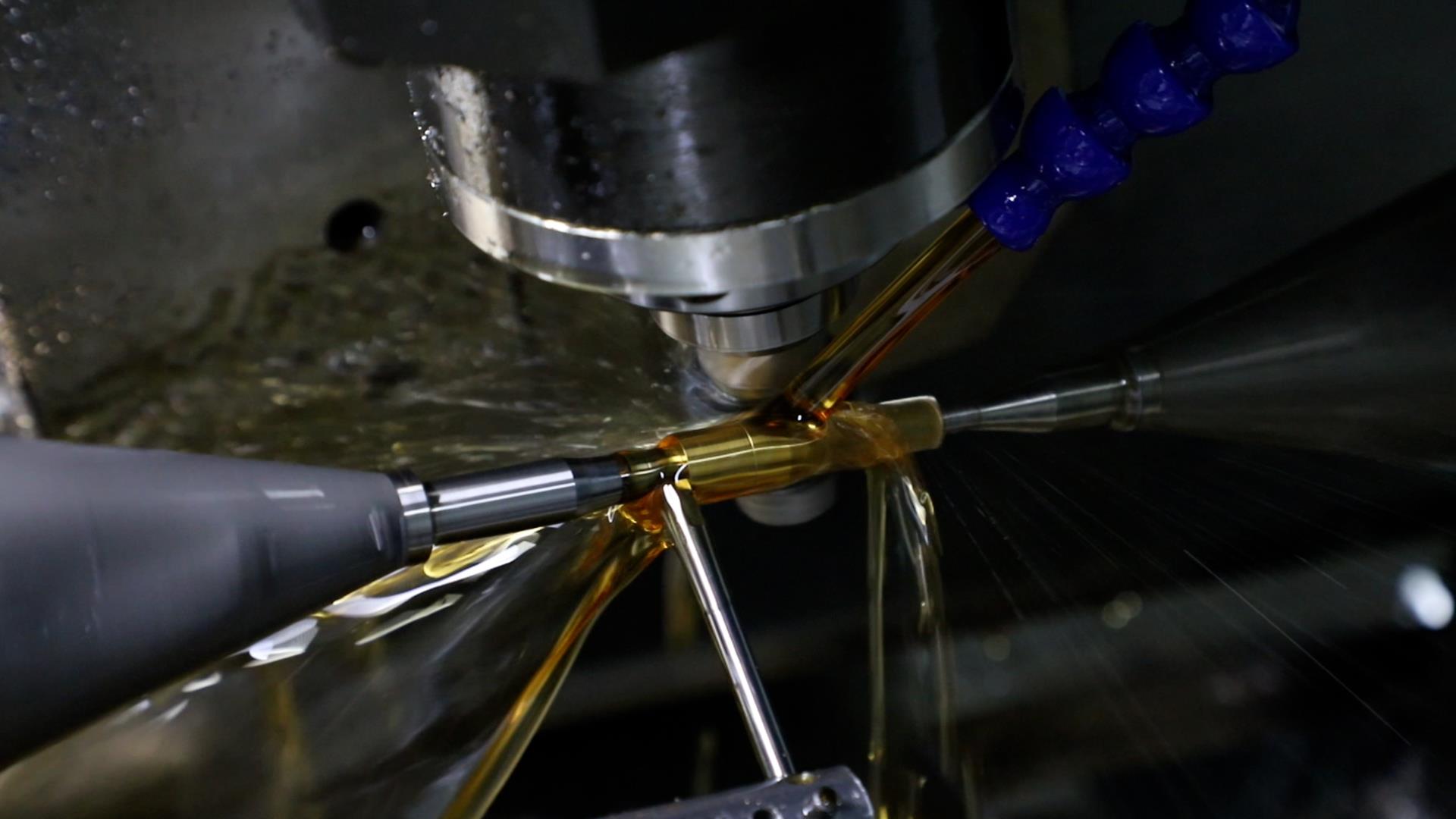
Precision Hobbing
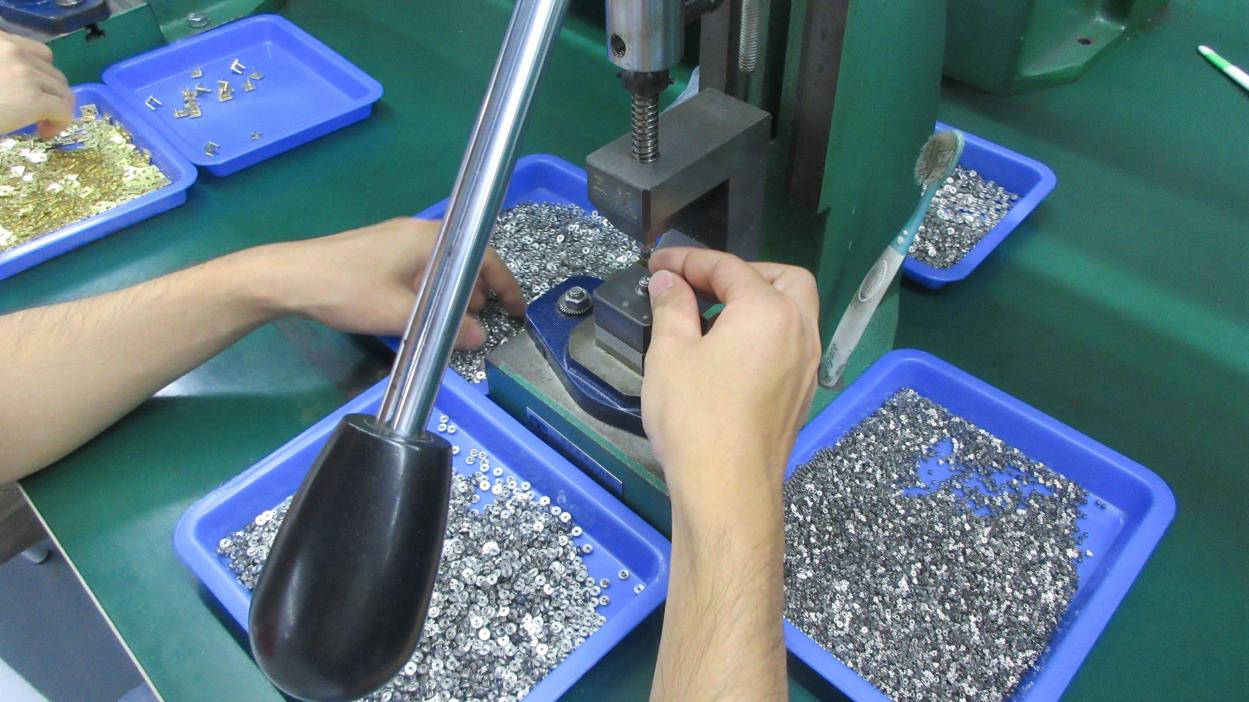
Reducer Casing Assemble
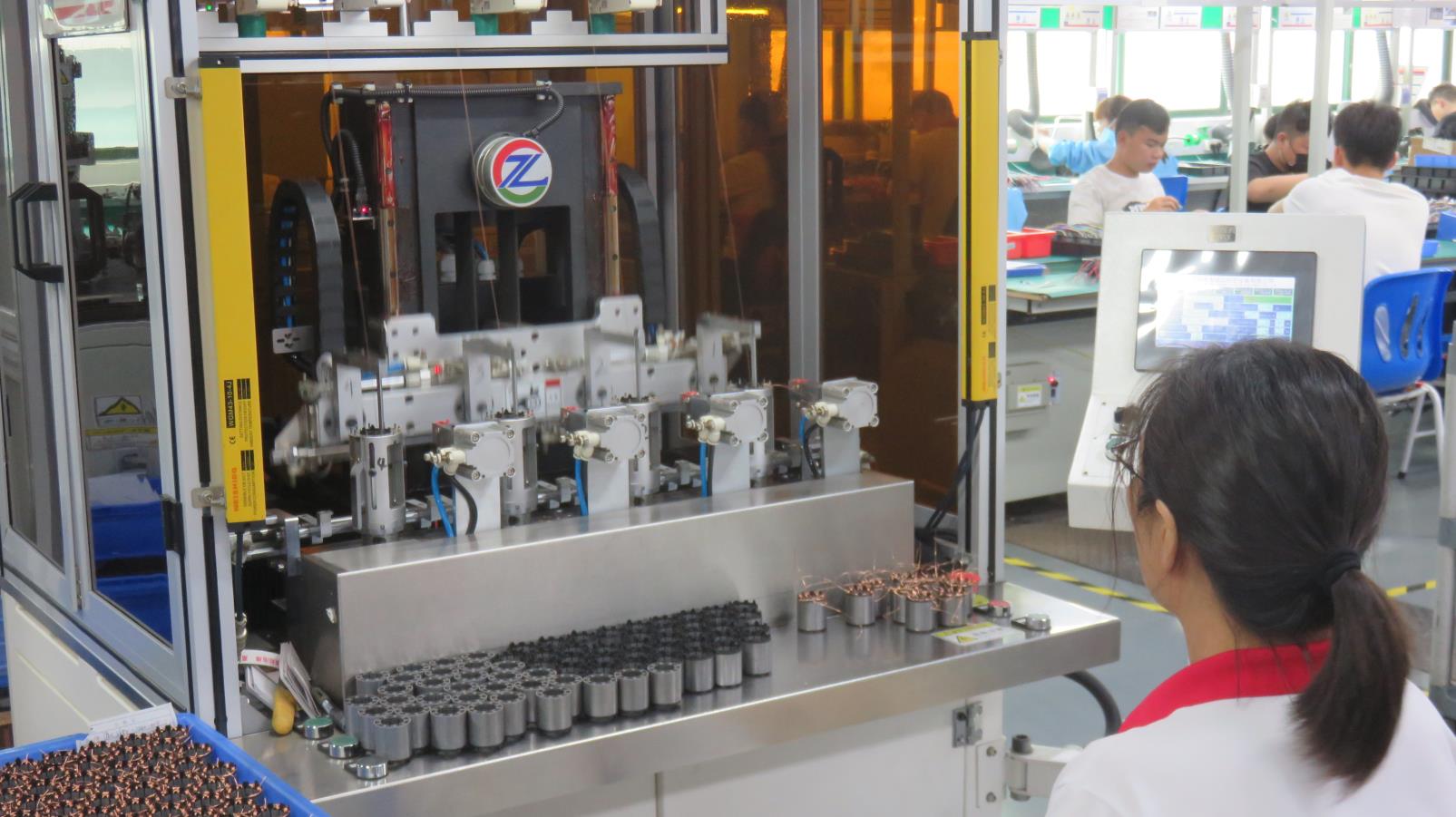
Wire Winding
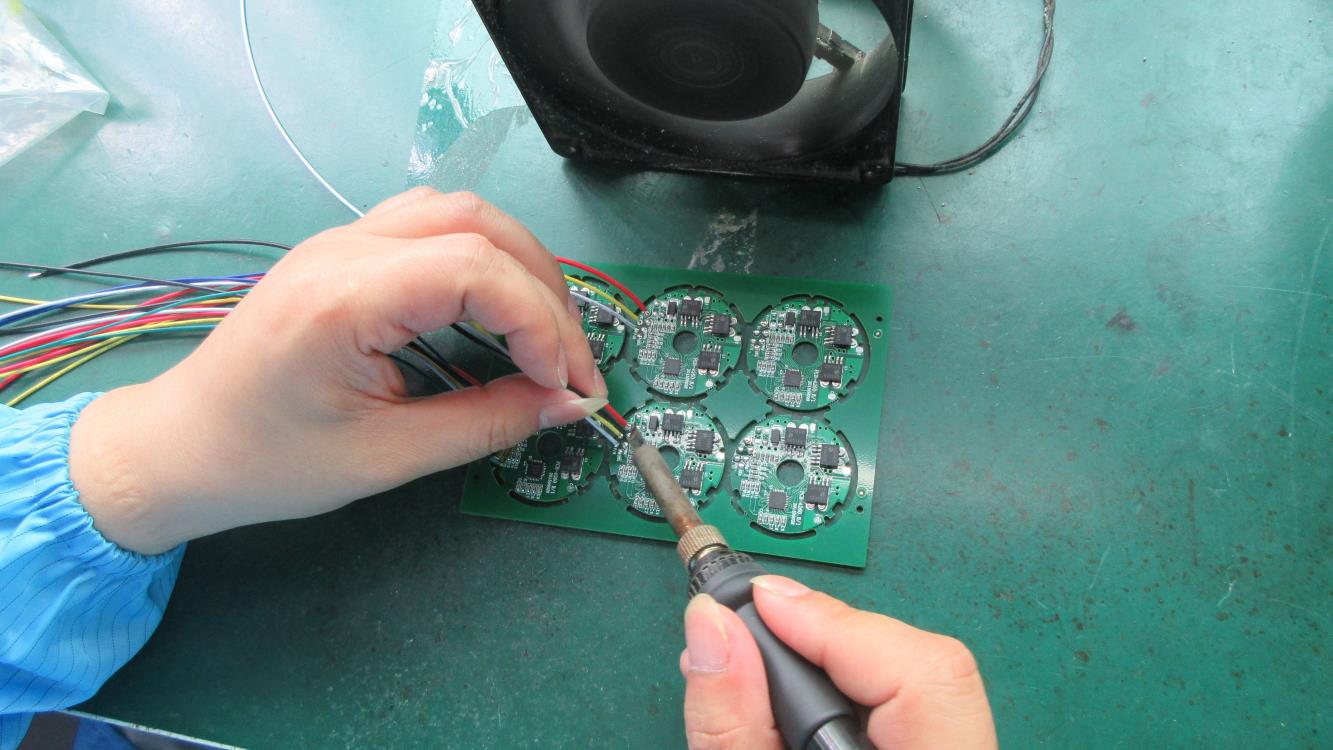
Soldering
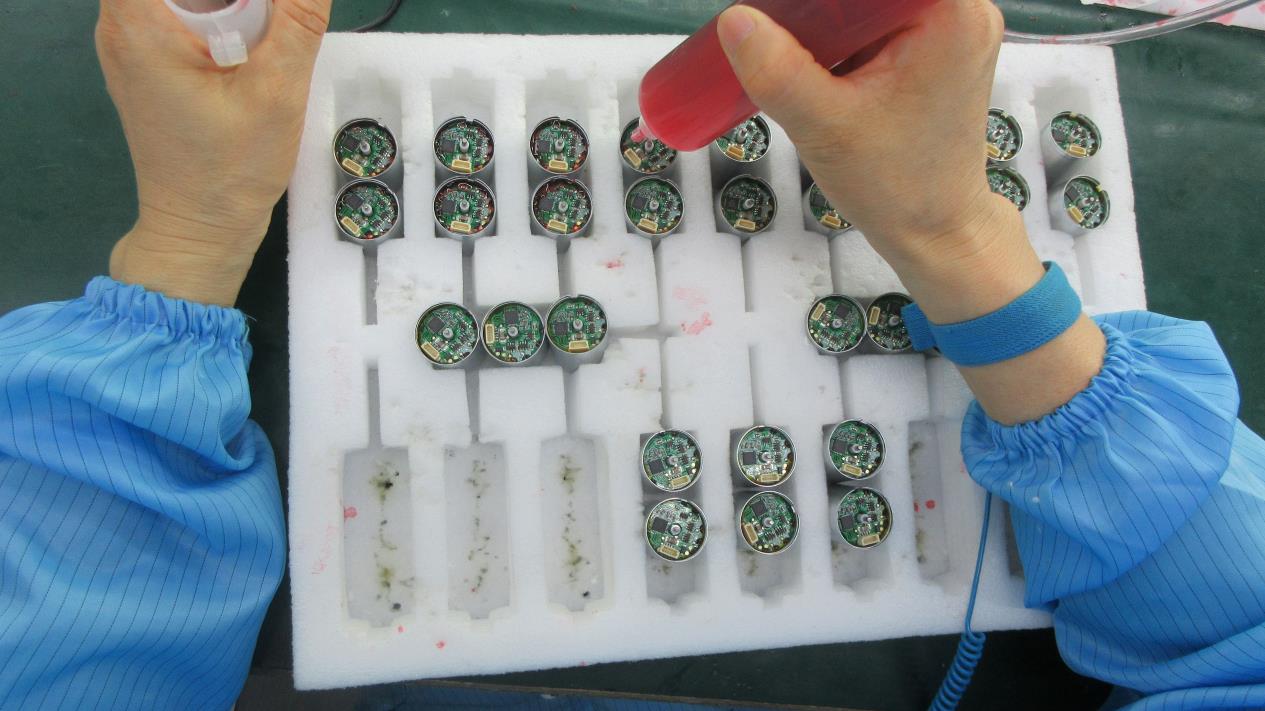
Added Lubricating Oil
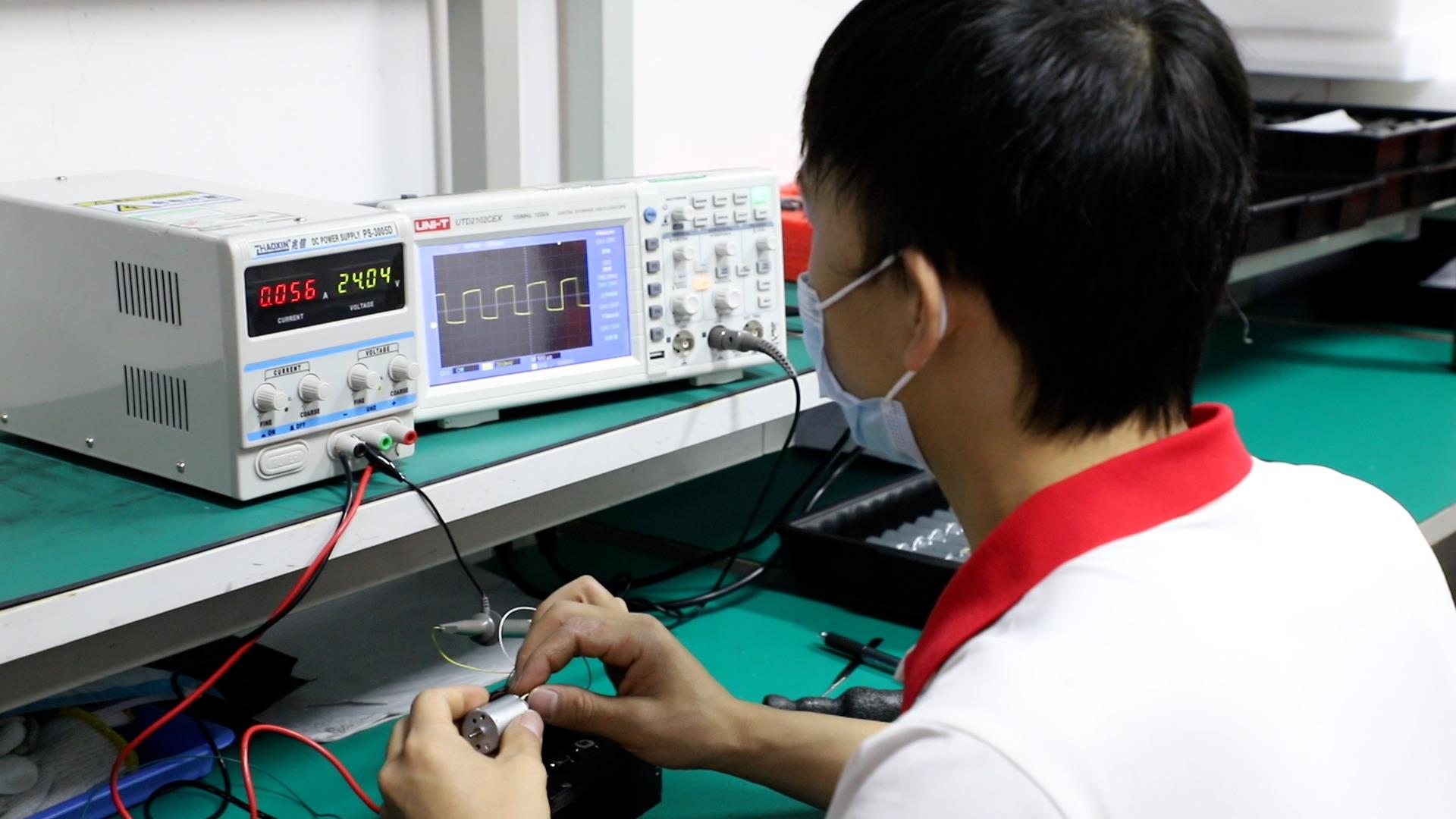
Brushless Motor Test
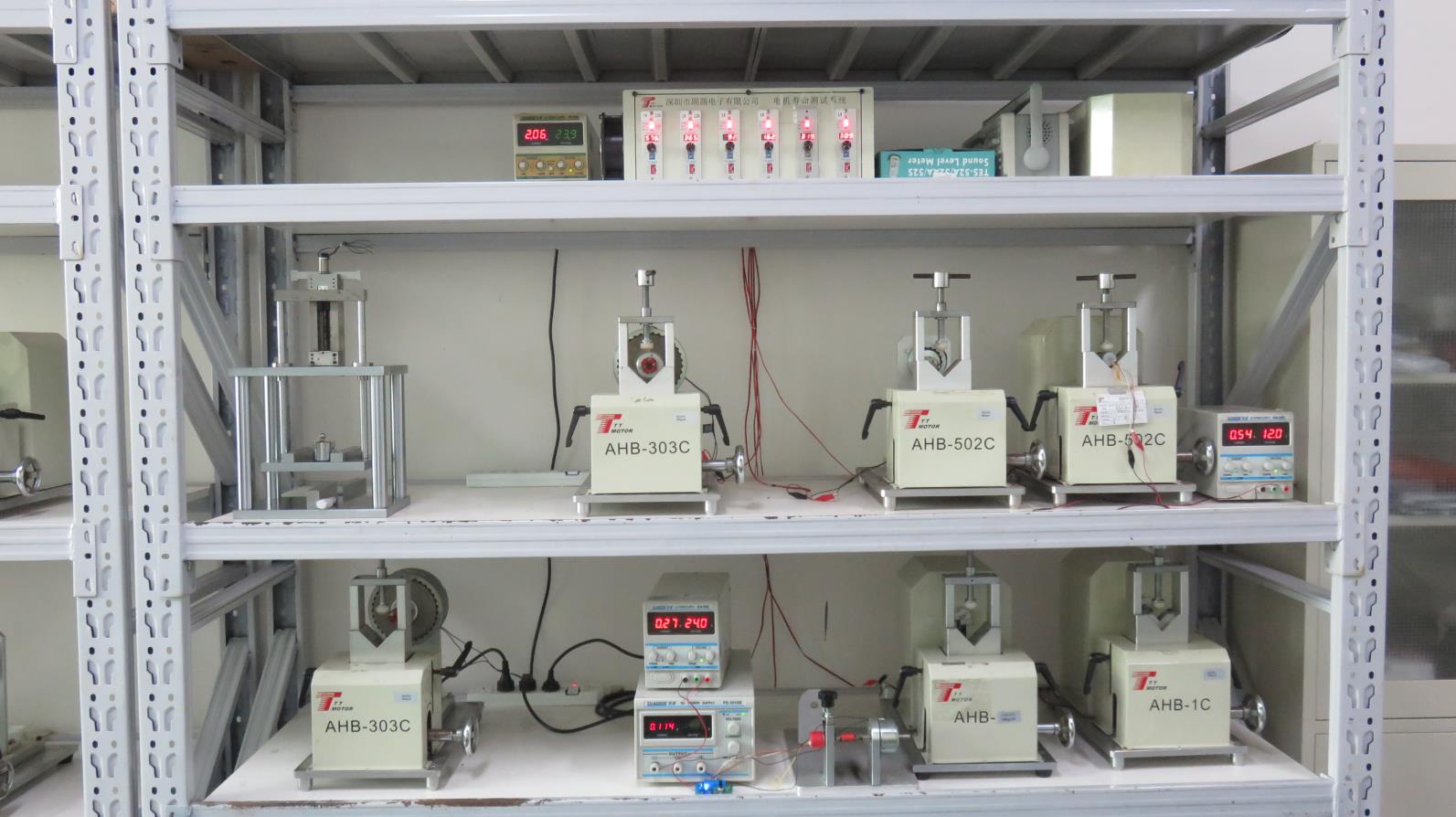
Life Testing
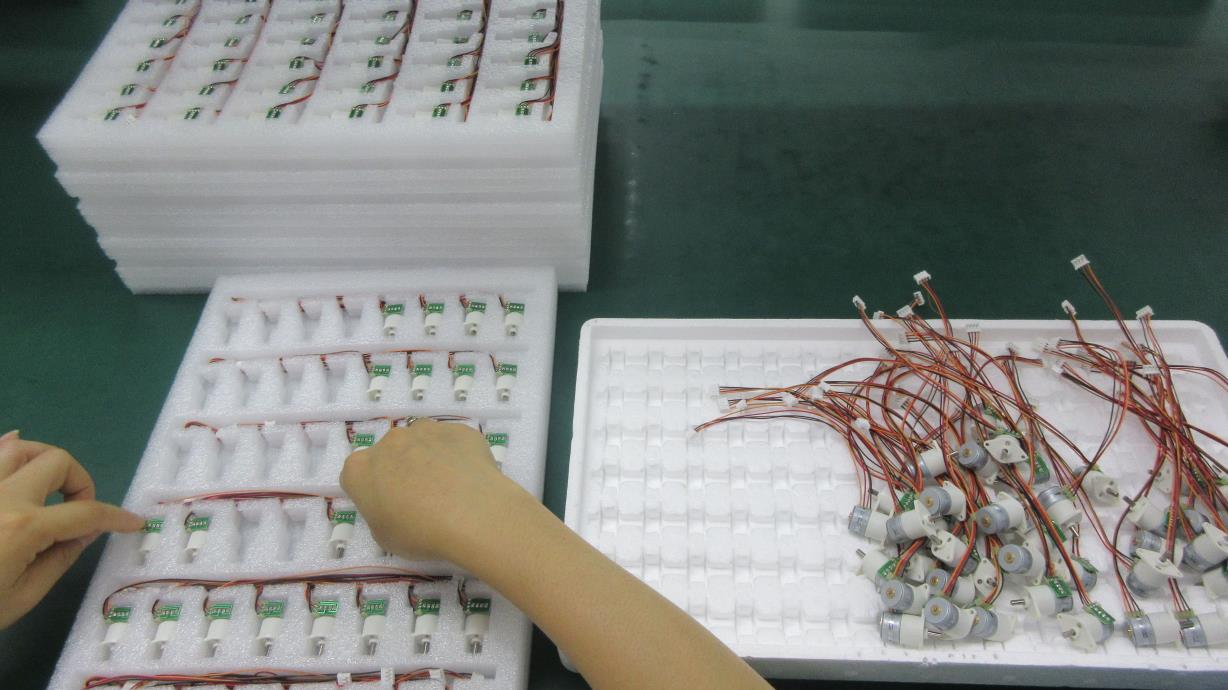
Packaging
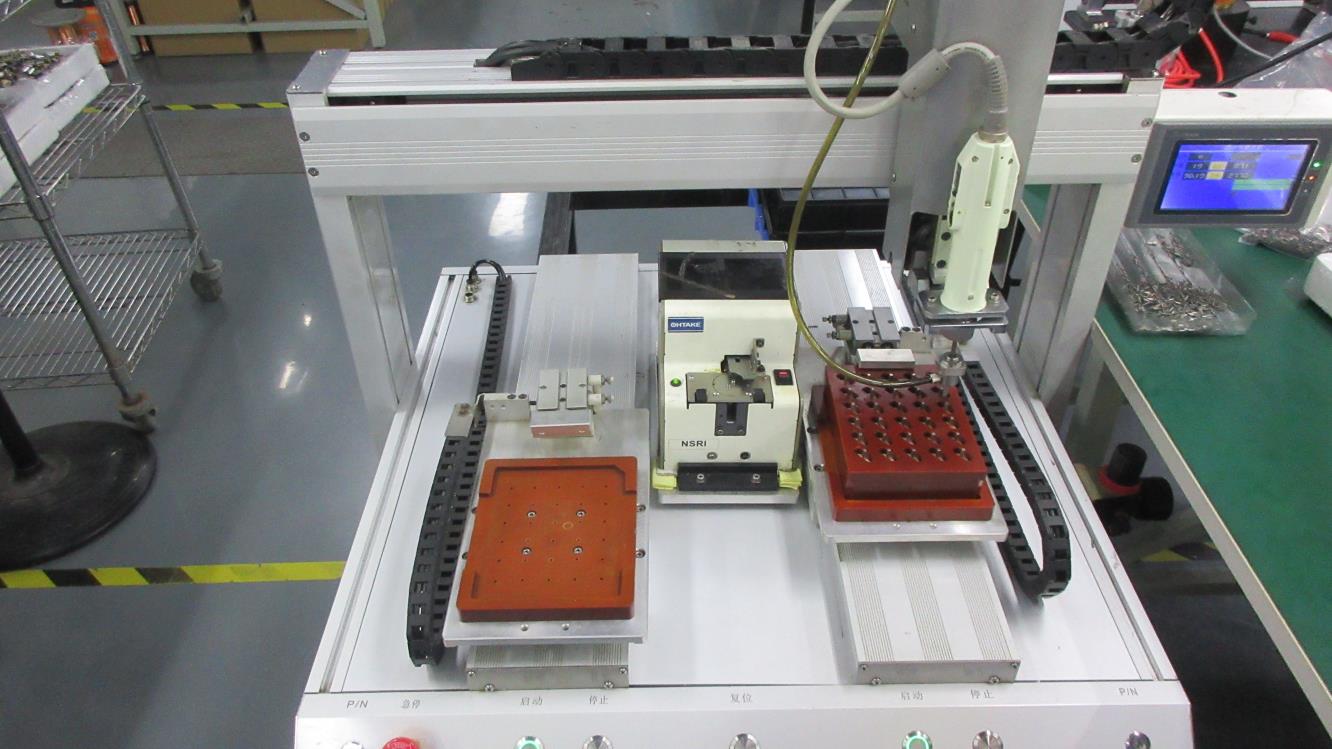
Auto Locking Screw Machine
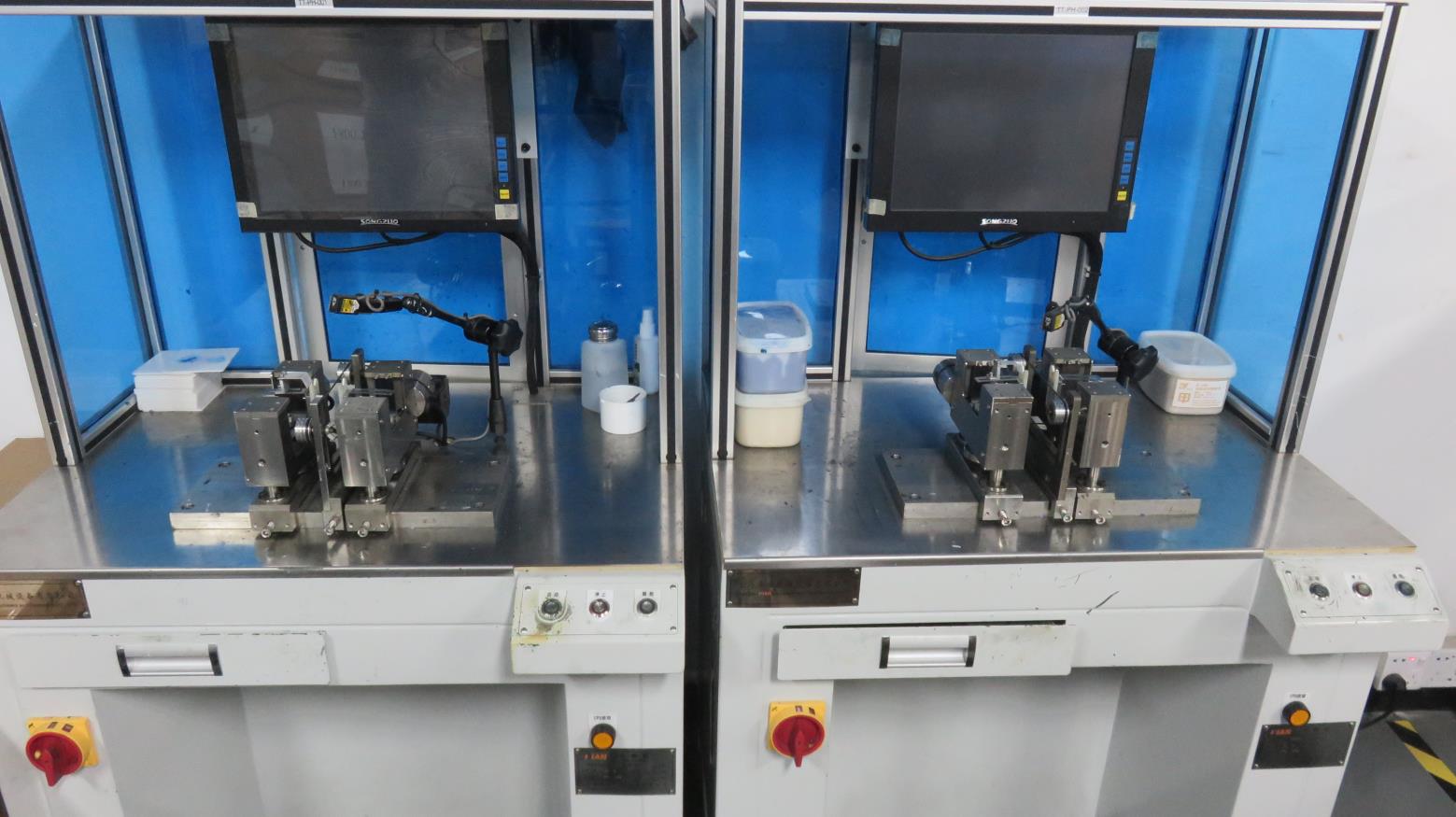
Balance Instrument
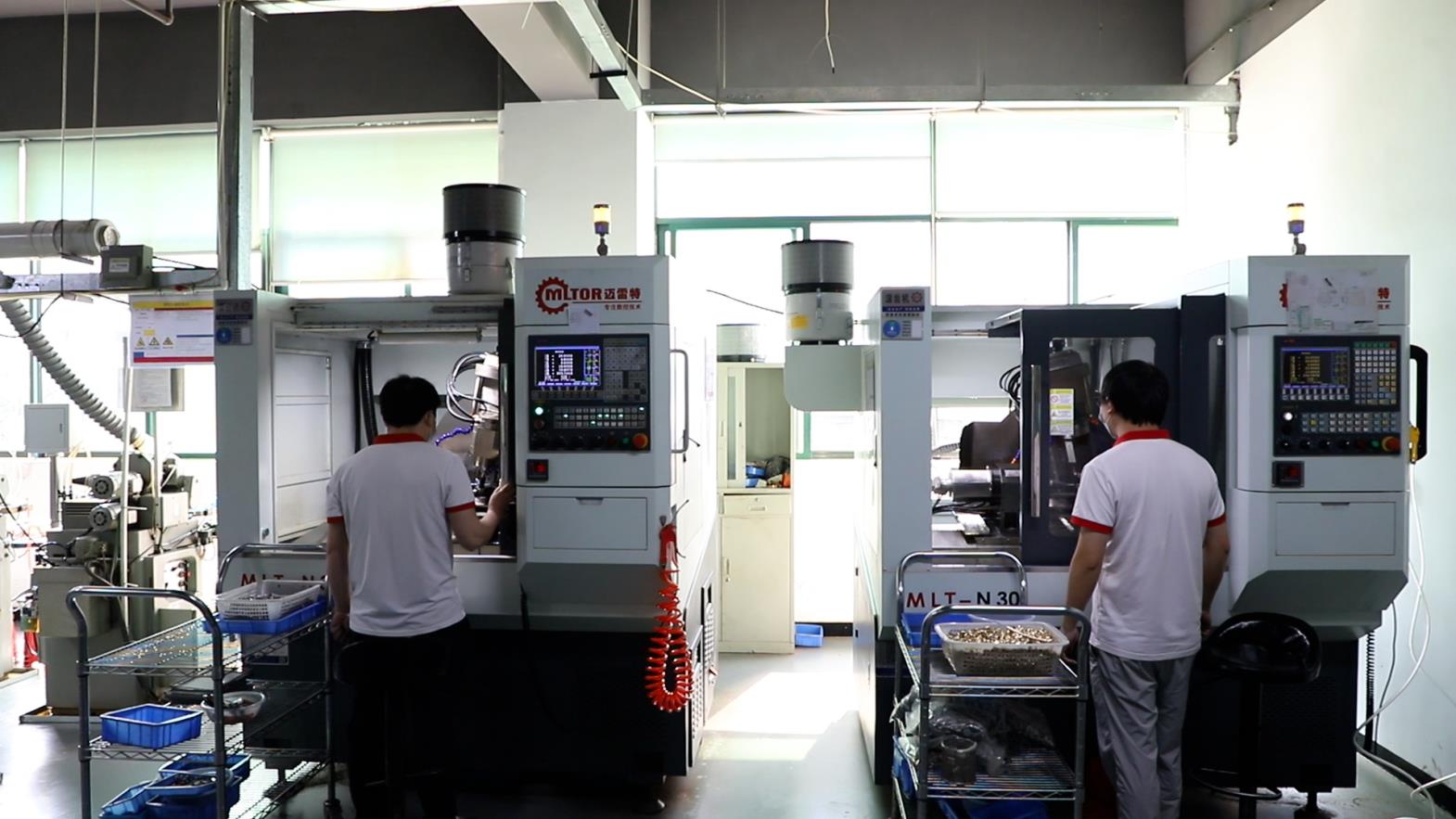
Gear Hobbing Machine
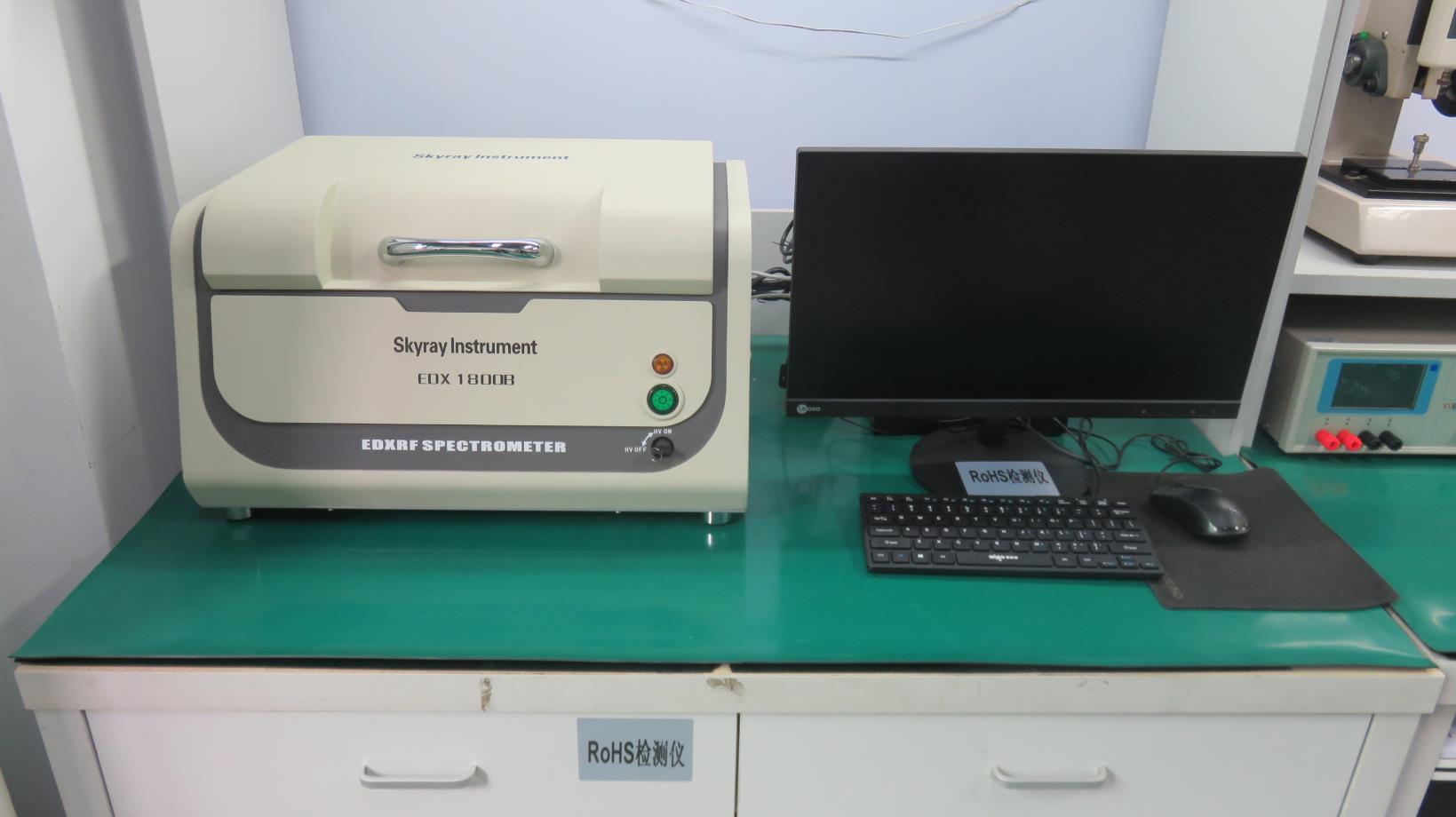
RoHS Detector
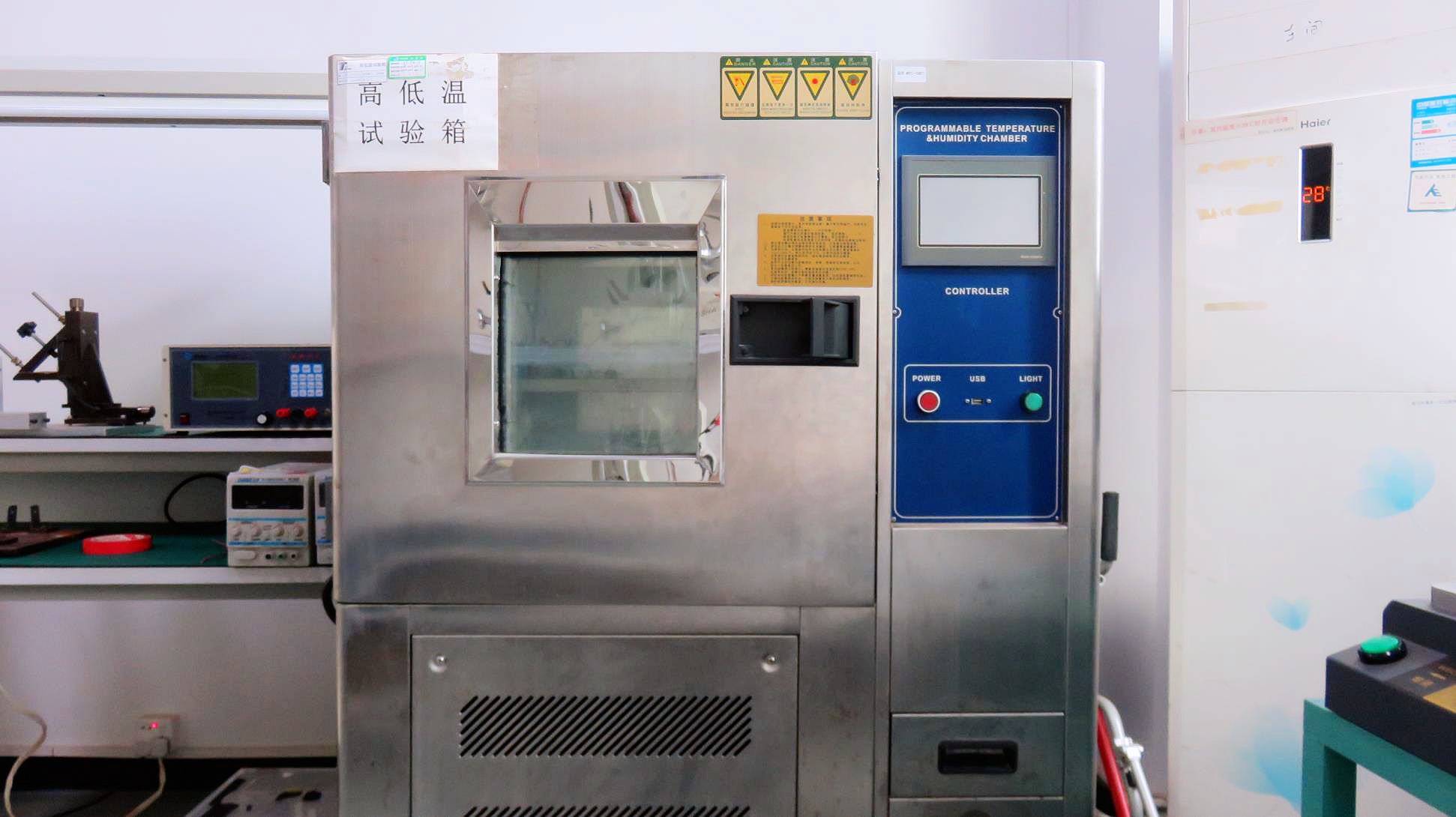
High and Low Temp Tester
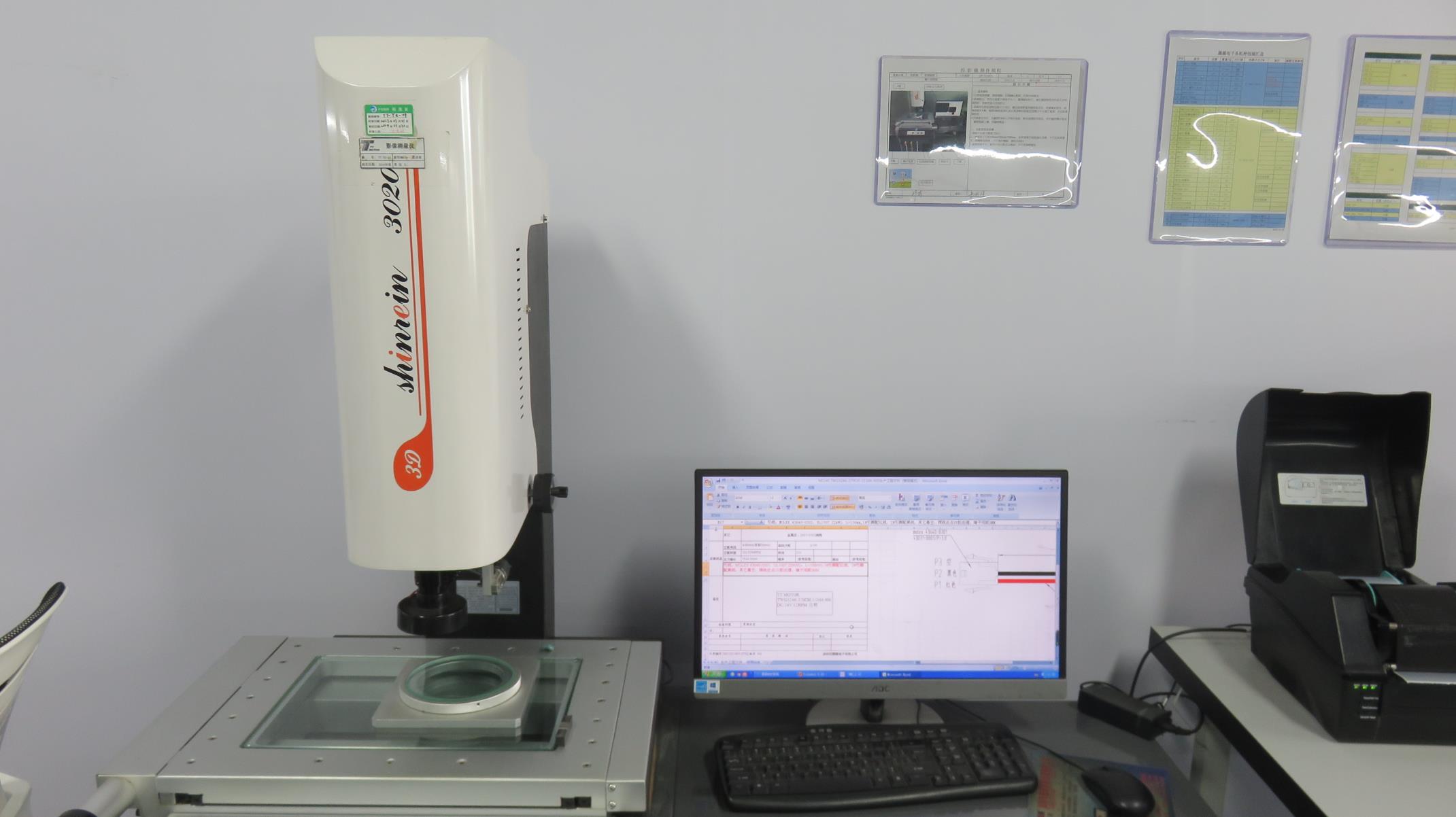
Dimensional Test Equipment
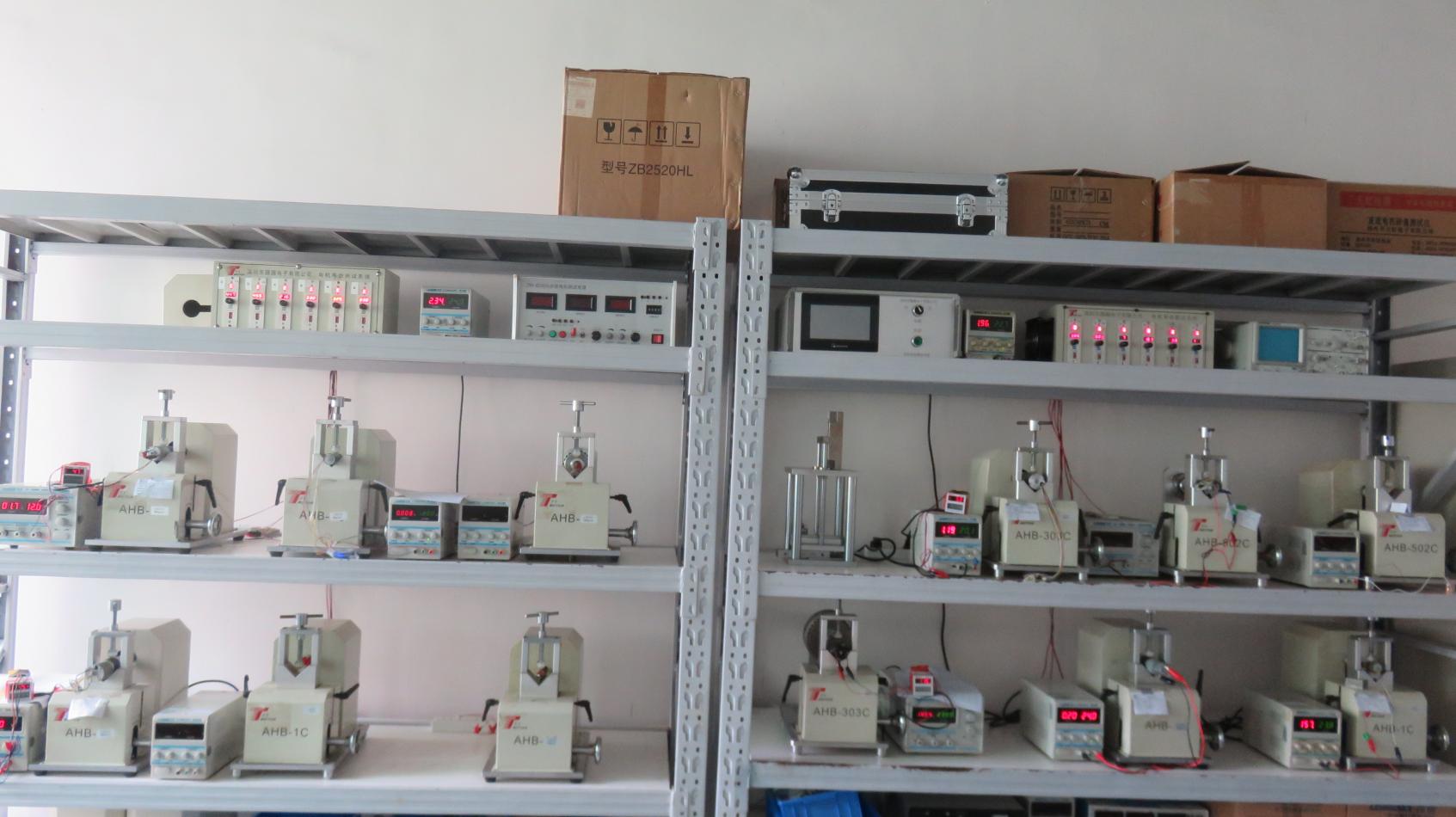
Life Tester
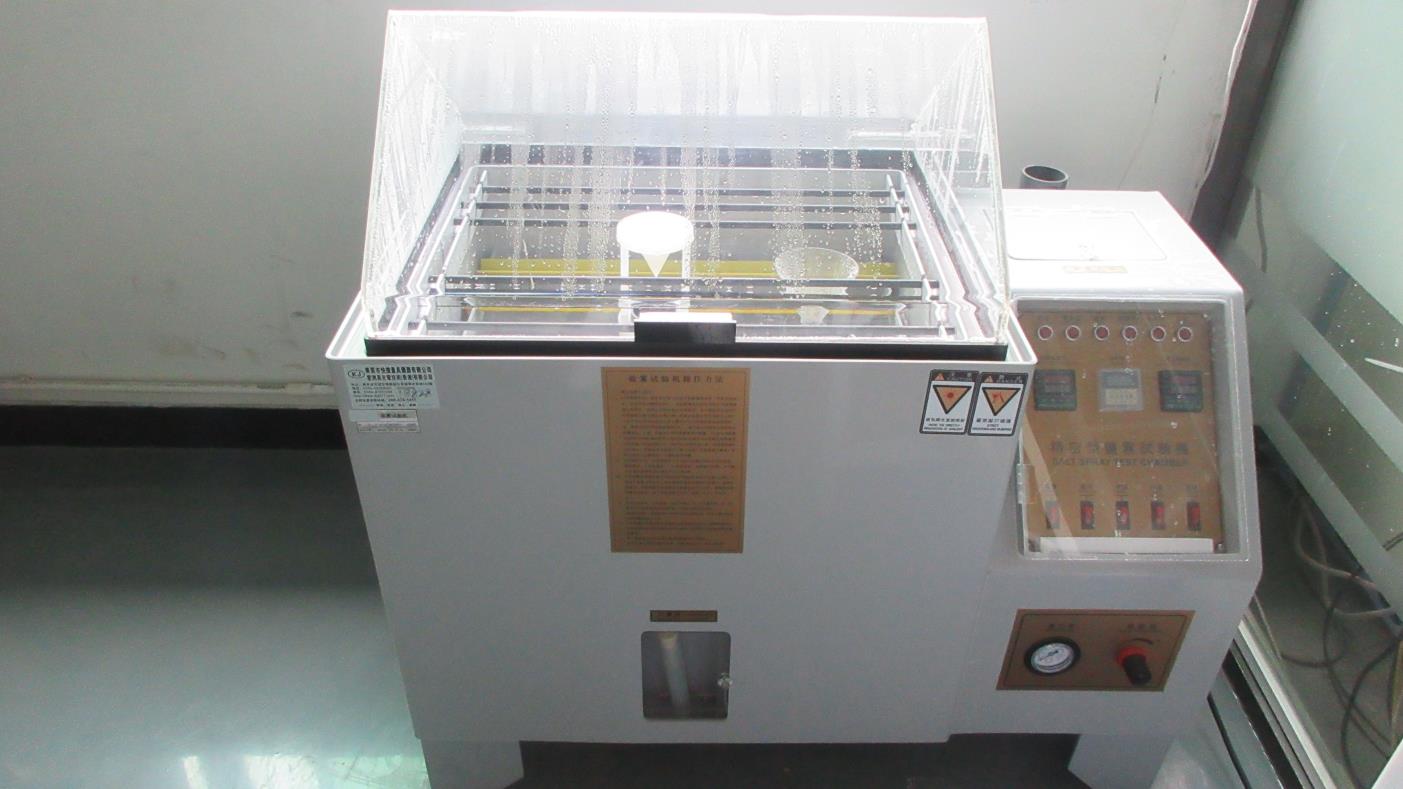
Salt Spray Tester
From automatic curtain rollers and smart locks to robotic vacuum wheels, our gear motors provide the whisper-quiet operation required for living spaces.
Micro DC motors are essential for infusion pumps and surgical tool adjustment where high precision and zero-fail reliability are non-negotiable.
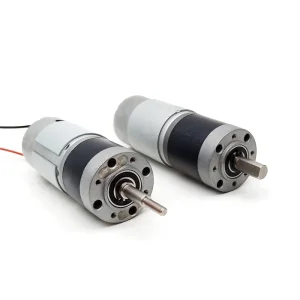
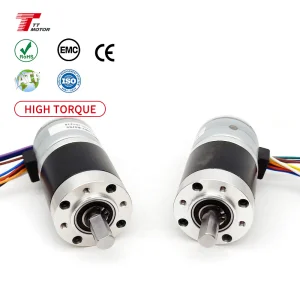
Our planetary gearboxes offer the high torque needed for joint movement in humanoid robots and the load-bearing requirements of warehouse AGVs.
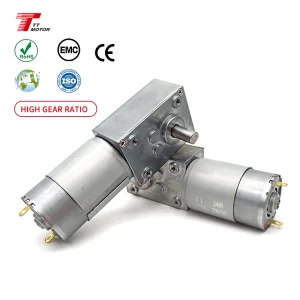
Planetary gearboxes offer higher efficiency (up to 95%) and greater torque density in a compact space, making them ideal for robotics. Worm gearboxes are preferred for their self-locking capabilities and 90-degree output orientation.
BLDC motors have no brushes to wear out, meaning a longer lifespan (over 20,000 hours), higher speeds, and better thermal efficiency. They are perfect for continuous-duty applications like conveyor systems or medical fans.
We implement a multi-stage QC process including salt spray testing (for corrosion resistance), high/low-temperature cycles, and 100% load testing. We use RoHS detectors to ensure environmental compliance for global markets.
Yes. As an OEM manufacturer, we specialize in customizing shaft lengths, D-cut shapes, gear ratios, and adding encoders or Hall sensors to meet specific project requirements.
Standard models usually ship within 2-3 weeks, while highly customized solutions may take 4-6 weeks including the prototyping and validation phases.